
Guide to Edible Oil Specifications for Buyers
A guide to edible oil specifications for procurement teams: compare quality parameters, documents, packaging, and contract terms before purchase orders.
Vegetable Oil Supplier Due Diligence for Bulk Buyers
Vegetable oil supplier due diligence helps bulk buyers verify plant capacity, product controls, documents, logistics, and contract terms before placing orders.

Vegetable Oil Demand Forecast for Global Buyers
Vegetable oil demand forecast for procurement teams: assess food, biofuel, supply, and pricing factors shaping vegetable oil buying decisions globally.
Sunflower Oil Factory Certification Requirements
Sunflower oil factory certification requirements for food-grade producers: a buyer guide to safety systems, documentation, audits, and export readiness.
15 Best Questions for Edible Oil Suppliers
Use the best questions for edible oil suppliers to assess quality, capacity, documentation, logistics, and continuity before contracting bulk supply terms.
How Supplier Reliability in Edible Oils Is Proven
Assess supplier reliability in edible oils through capacity, specifications, traceability, logistics, and commercial discipline before committing volume.
How to Assess the Best Edible Oil Exporters
A procurement framework for comparing the best edible oil exporters by origin, quality controls, logistics, documentation, and contract readiness review.

Manufacturer vs Broker Cooking Oil for Buyers
Compare manufacturer vs broker cooking oil sourcing for pricing, traceability, specifications, logistics, and dependable supply for commercial buyers today.

Top Criteria for Sunflower Oil Sourcing Buyers
Top criteria for sunflower oil sourcing include producer capability, specifications, traceability, logistics, and commercial terms for reliable supply.

Sunflower Oil Export Requirements for B2B Buyers
Sunflower oil export requirements for B2B buyers: documents, food safety, labeling, logistics, and contract controls for reliable international supply.

How to Compare Bulk Oil Quotations Fairly
Learn how to compare bulk oil quotations by matching specifications, Incoterms, freight, payment terms, and supplier reliability before purchase decisions.
Ukrainian Sunflower Oil Factory for B2B Supply
A Ukrainian sunflower oil factory for importers, distributors, and food manufacturers seeking consistent production specifications, and export supply.
How to Choose an Edible Oil Manufacturer
Learn how to choose a reliable edible oil manufacturer by assessing capacity, quality control, traceability, logistics, and commercial terms for supply.

Edible Oil Supplier Checklist for B2B Buyers
Use this edible oil supplier checklist to assess production capability, quality controls, documents, logistics, and long-term supply reliability at scale.

Producer vs Trading Company for Oil Buyers
Producer vs trading company: compare traceability, pricing, specifications, and supply control when sourcing sunflower and vegetable oils in bulk globally.

How to Verify Sunflower Oil Supplier Credentials
Learn how to verify sunflower oil supplier credentials, quality controls, documents, capacity, and shipment terms before placing a bulk order for importers.

Vegetable Oil Import Documentation Guide
A vegetable oil import documentation guide for U.S. buyers: required shipping, customs, FDA, quality, and supplier records for controlled arrivals on time.
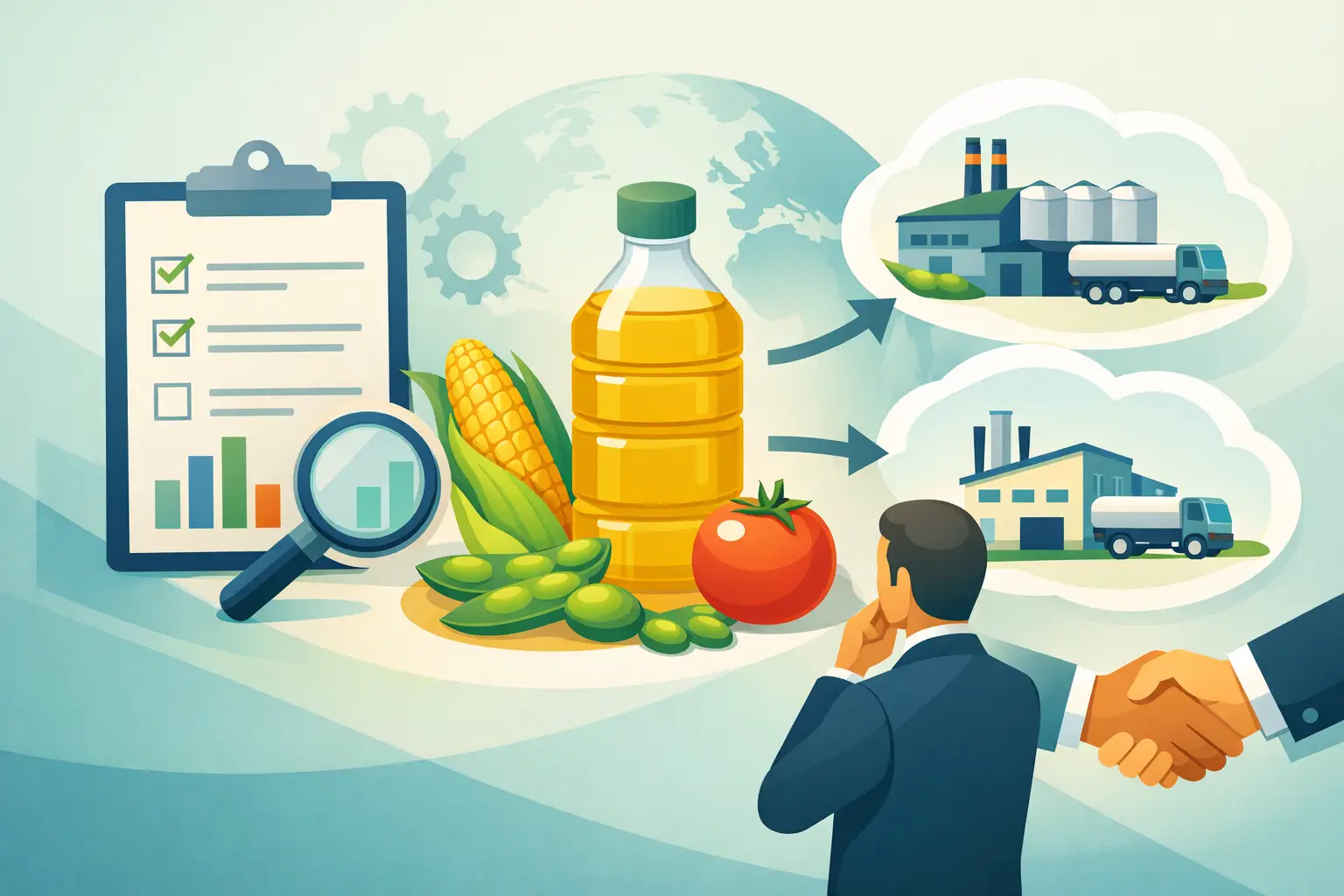
Food Industry Vegetable Oil Supplier Selection
Choose a food industry vegetable oil supplier based on production capability, oil consistency, documentation, logistics, and commercial fit for buyers.

How to Evaluate Oil Suppliers for Bulk Buying
Learn how to evaluate oil suppliers for bulk purchasing, from processing controls and specifications to logistics, documentation, and supply continuity in international trade.
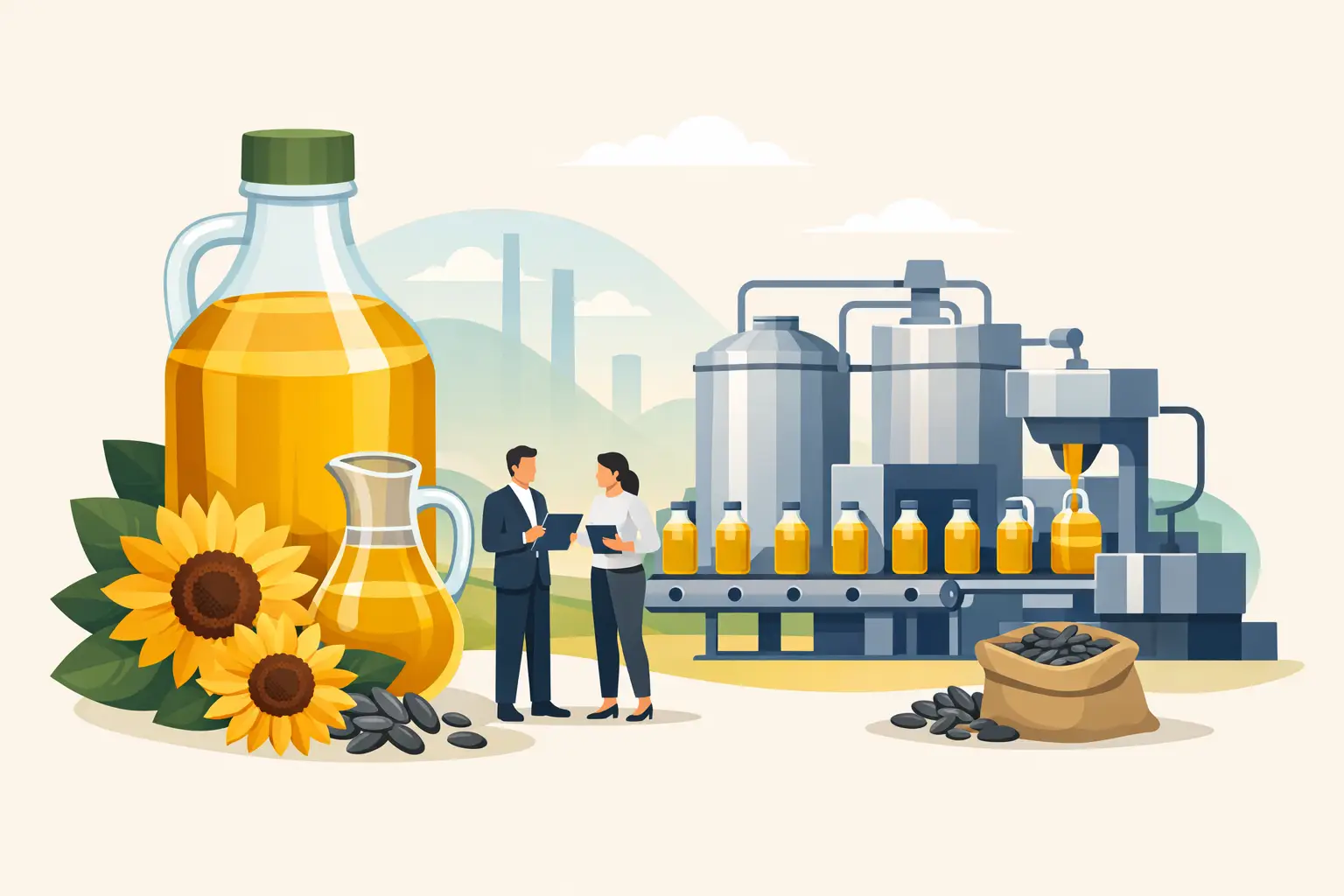
Buying Sunflower Oil for Food Processors
Sunflower oil for food processors: assess specifications, refining, packaging, and supply planning for consistent quality, yield, and production control.
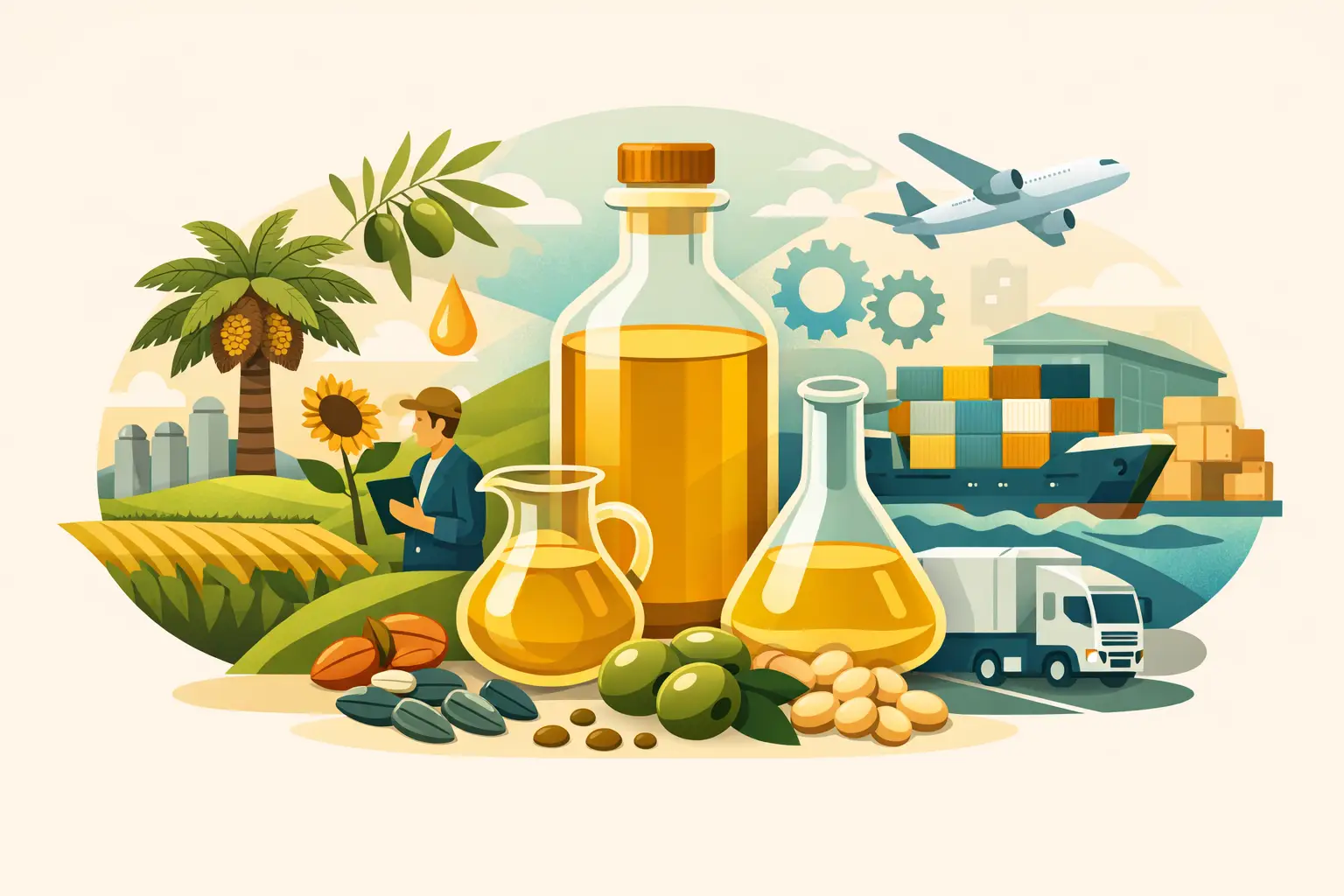
How to Source Edible Oils for Reliable Supply
Learn how to source edible oils with supplier checks, specifications, logistics planning, and risk controls for dependable commercial purchasing at scale.
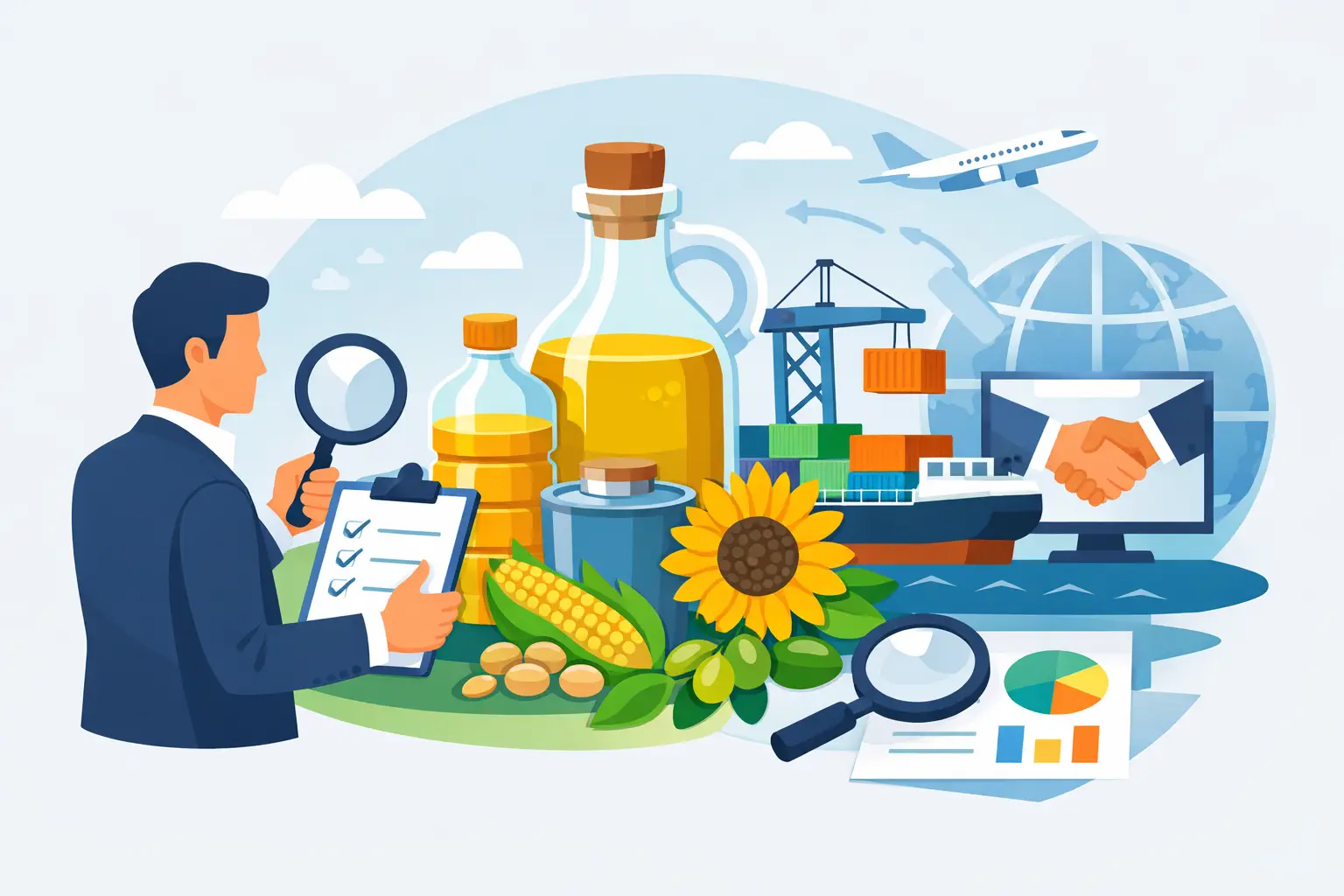
How to Evaluate a Vegetable Oil Exporter Before Buying
Learn how to evaluate a vegetable oil exporter through capacity, quality controls, documents, logistics, and contract performance before you buy in bulk.

Bulk Oil Contract Terms Buyers Should Check
Bulk oil contract terms affect price, quality, delivery, and claims. Learn which clauses buyers should check before signing supply agreements.
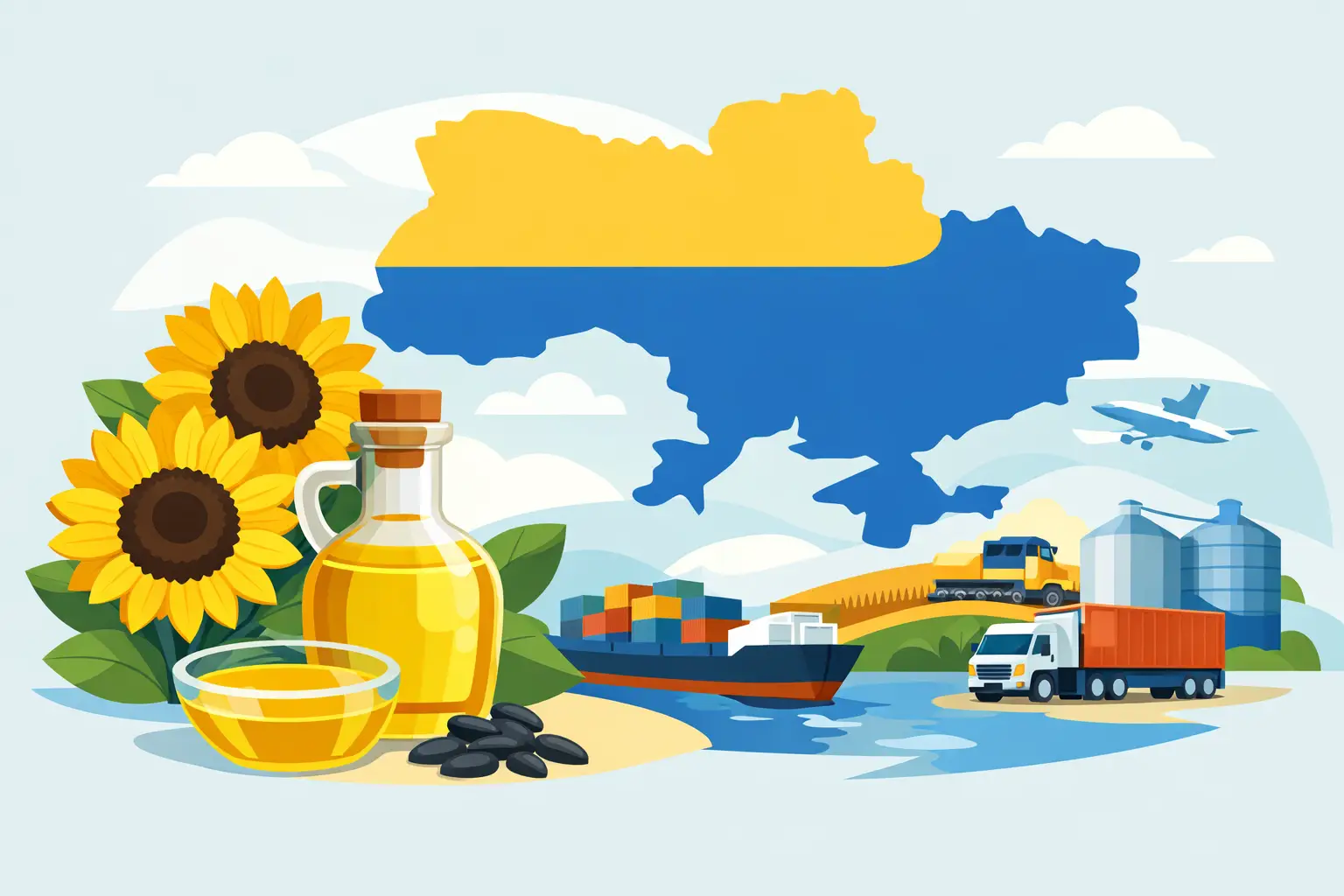
Why Buy Sunflower Oil From Ukraine?
Why buy sunflower oil from Ukraine? Learn how origin, scale, crop strength, and manufacturing experience support reliable bulk sourcing.

Ukrainian Sunflower Oil Quality Standards
Ukrainian sunflower oil quality standards: what B2B buyers should verify in specifications, testing, traceability, and shipment release before purchase.

Ukrainian Sunflower Oil Supplier Review Criteria
A Ukrainian sunflower oil supplier review for importers: assess producer status, specifications, logistics, documentation, and supply risk pre-contract.
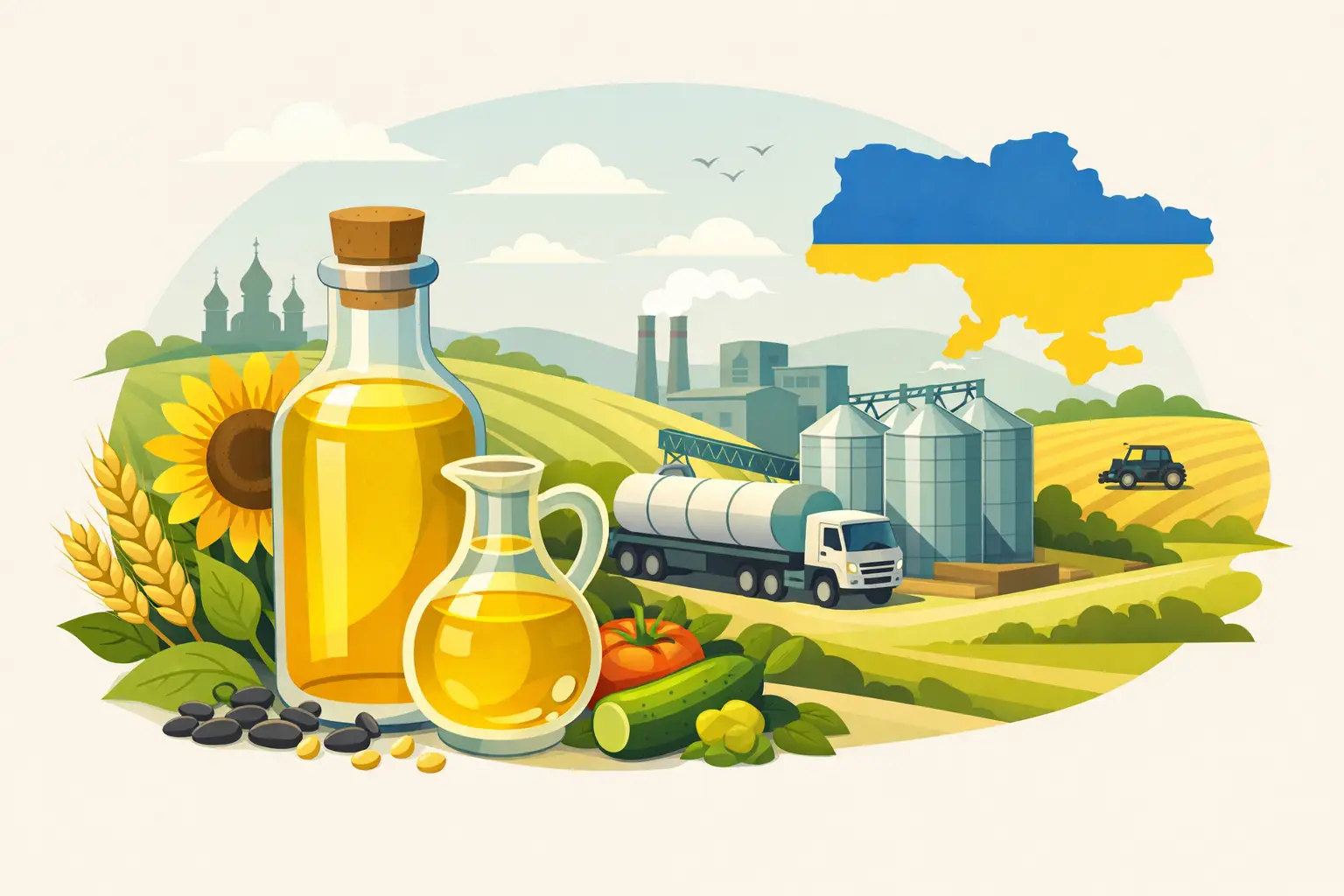
Choosing a Vegetable Oil Supplier Ukraine
How to evaluate a vegetable oil supplier Ukraine for bulk sourcing, consistency, production experience, export readiness, and commercial reliability.

What Affects Sunflower Oil Pricing?
Learn what affects sunflower oil pricing, from seed supply and crop yields to energy, freight, refining, trade policy, and buyer timing.
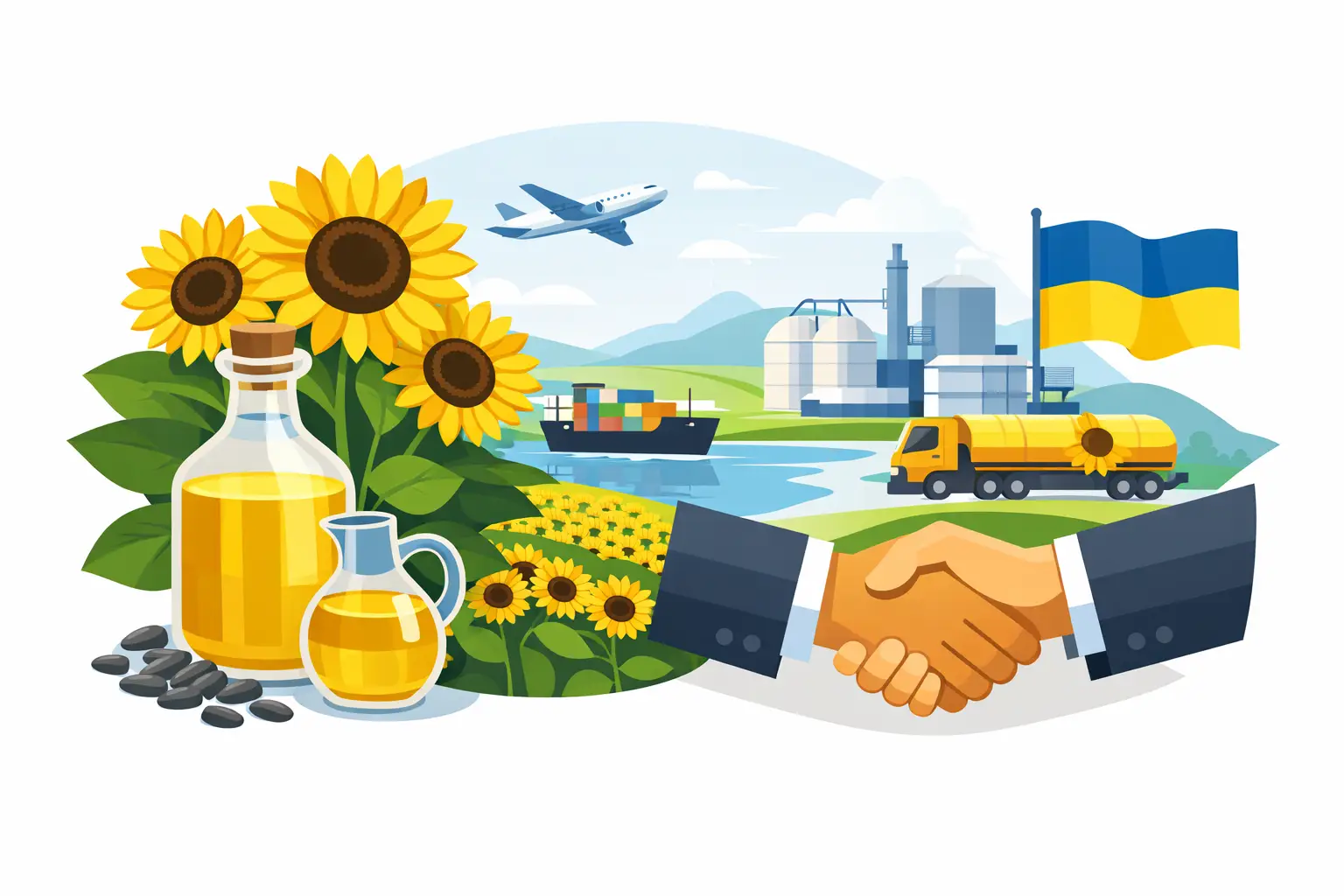
How to Source Ukrainian Sunflower Oil
Learn how to source Ukrainian sunflower oil with the right supplier checks, specs, documents, and logistics for stable commercial purchasing.

How to Verify Edible Oil Exporter Claims
Learn how to verify edible oil exporter claims, documents, capacity, and quality controls before signing supply contracts or placing bulk orders.

Choosing a Bulk Sunflower Oil Supplier
Choosing a bulk sunflower oil supplier means weighing origin, capacity, consistency, and terms to reduce sourcing risk and protect margins.
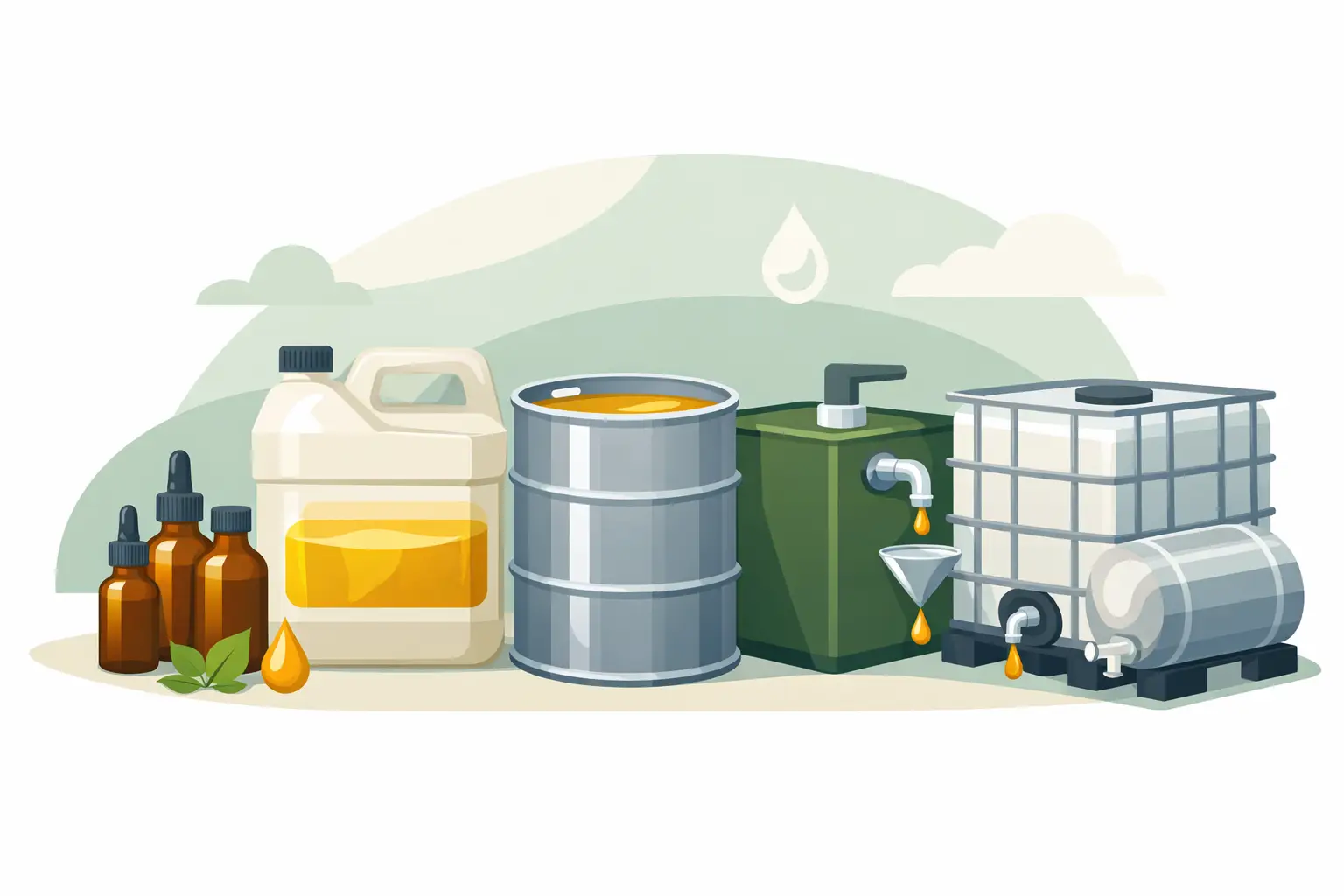
Best Packaging Options for Bulk Oils
Compare the best packaging options for bulk oils by volume, cost, transit risk, and end use to choose the right format for B2B supply.
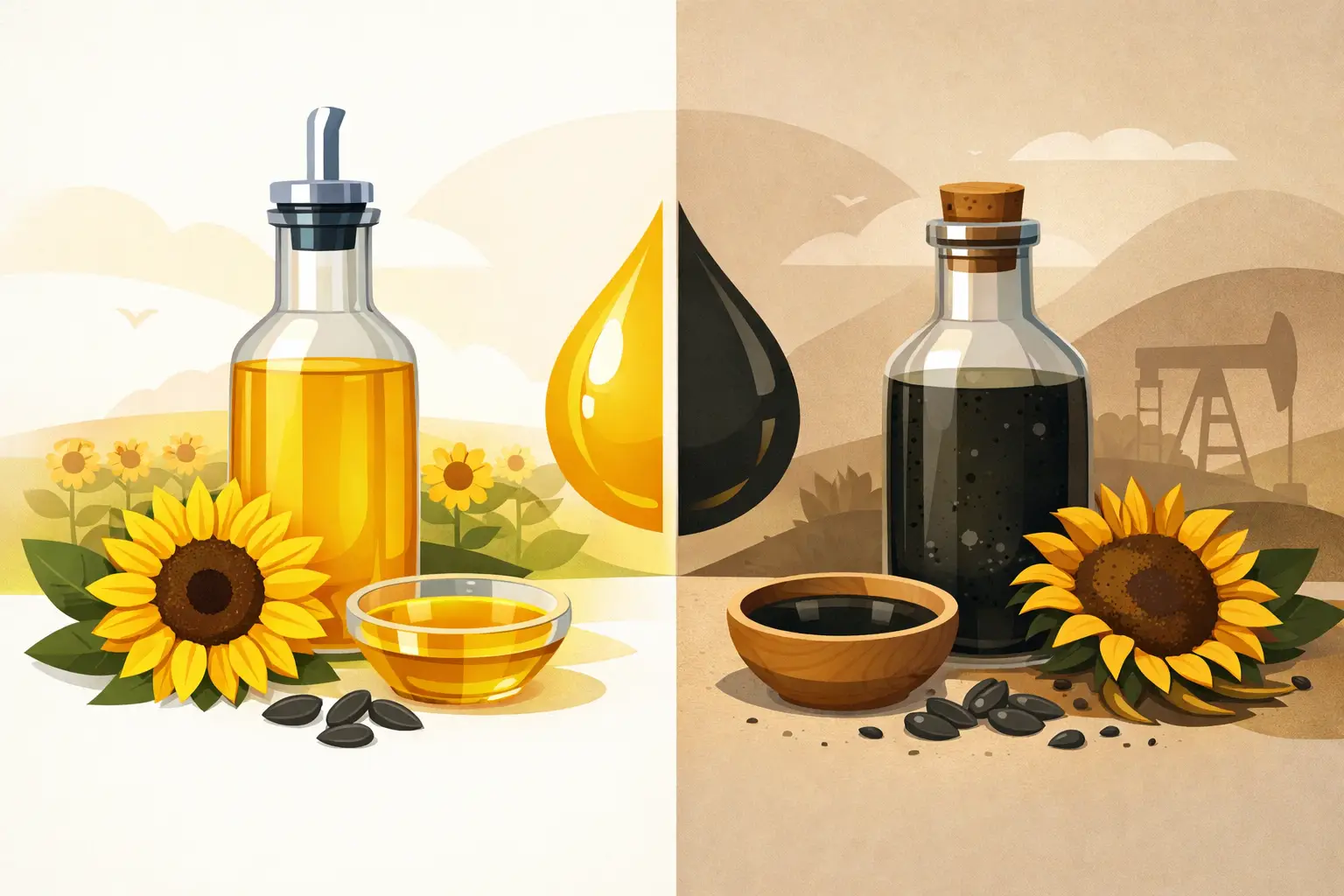
Refined vs Crude Sunflower Oil
Refined vs crude sunflower oil: understand processing, specs, stability, and end-use differences for food manufacturers, importers, and buyers.
How to Source Sunflower Oil for B2B Supply
Learn how to source sunflower oil for B2B supply, from supplier checks and specs to logistics, pricing, and long-term procurement risk control.

Ukraine Sunflower Oil Exporter Criteria
How to assess a ukraine sunflower oil exporter by production capacity, quality control, packaging, documents, and long-term supply reliability.
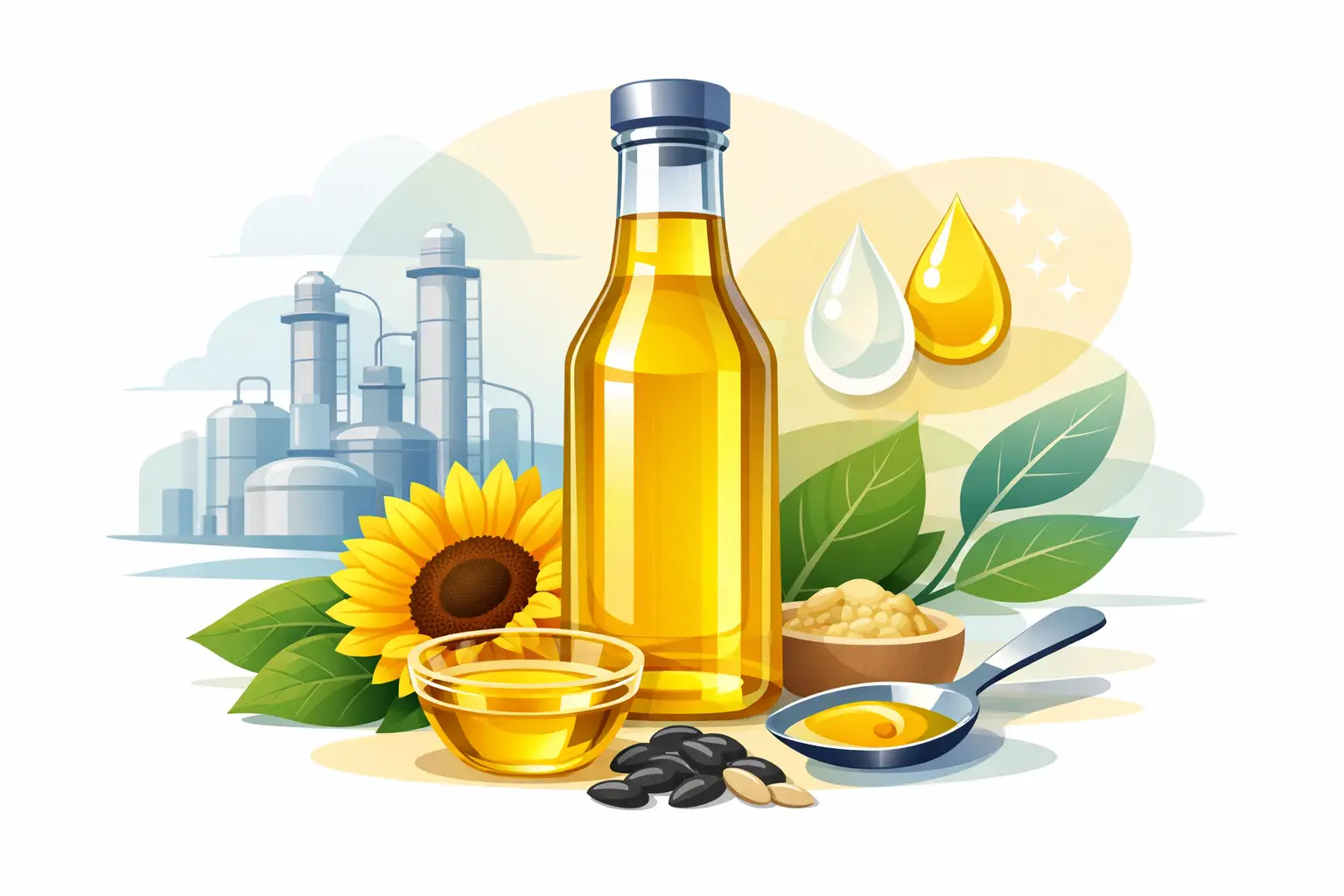
Refined Deodorized Sunflower Oil Explained
Refined deodorized sunflower oil is a stable, neutral edible oil for food production, frying, and bulk supply with consistent commercial quality.
Our Customers Trusted Brands for Sunflower Oil
Our customers trusted brands for delivering quality sunflower oil worldwide through consistent production, Ukrainian origin, and dependable supply.
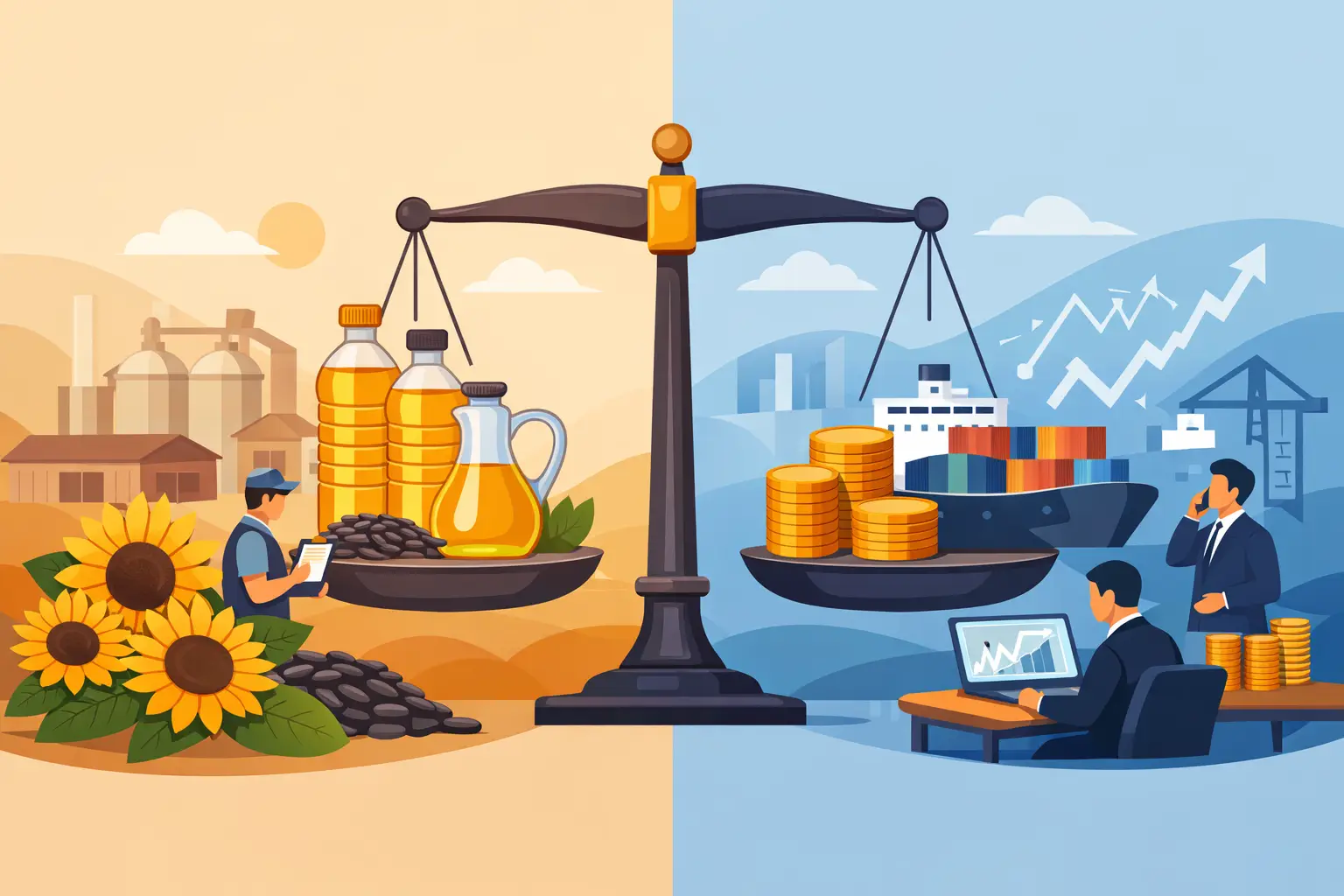
Sunflower Oil Supplier vs Trader
Sunflower oil supplier vs trader: understand sourcing differences in pricing, traceability, lead times, and risk before choosing a bulk partner.
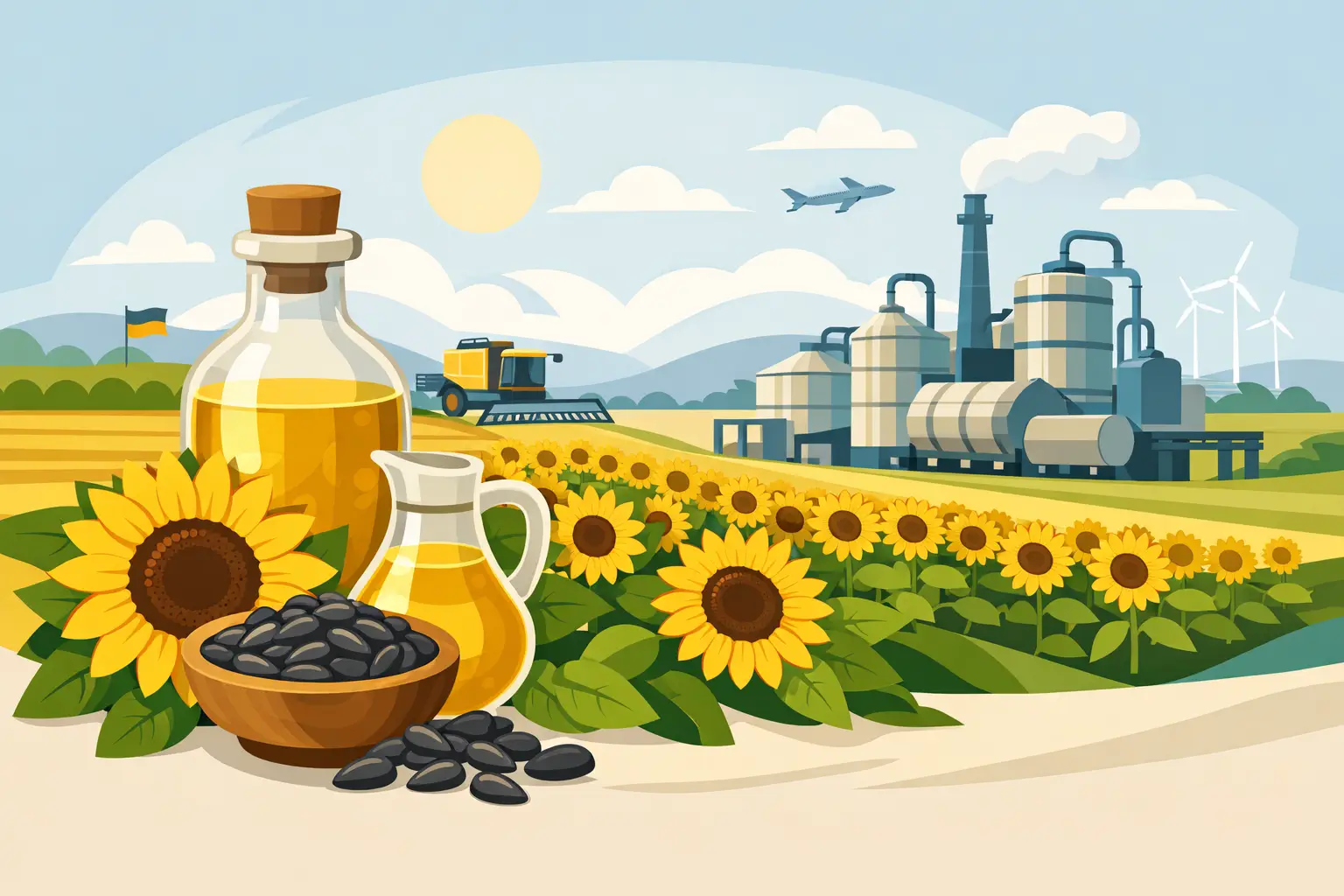
Top Sunflower Oil Manufacturers in Ukraine
A practical look at top sunflower oil manufacturers in Ukraine with export facilities, production scale, logistics factors, and buyer screening points.
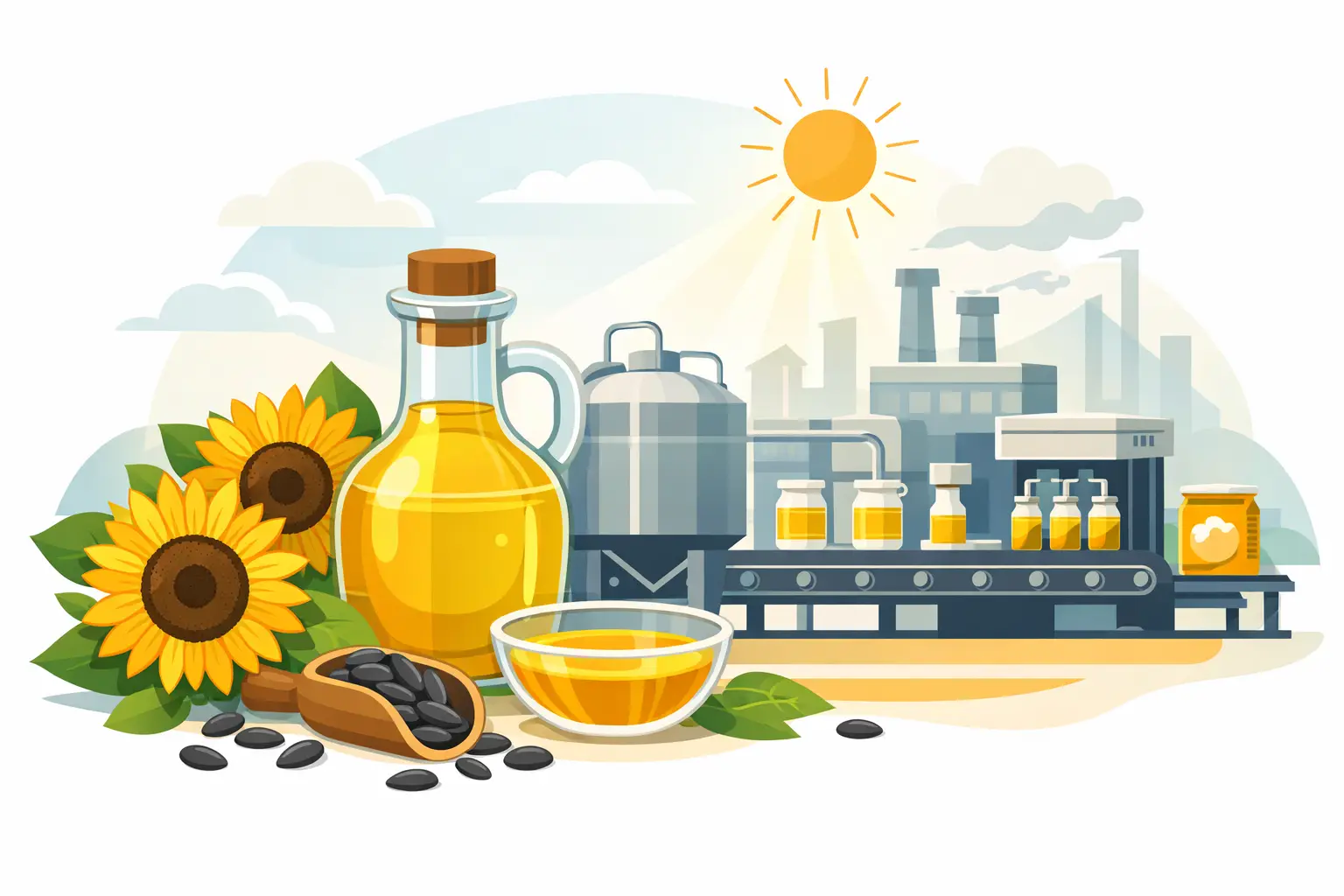
Best Sunflower Oil for Food Manufacturing
How to choose the best sunflower oil for food manufacturing based on stability, refining, supply continuity, specs, and application fit.
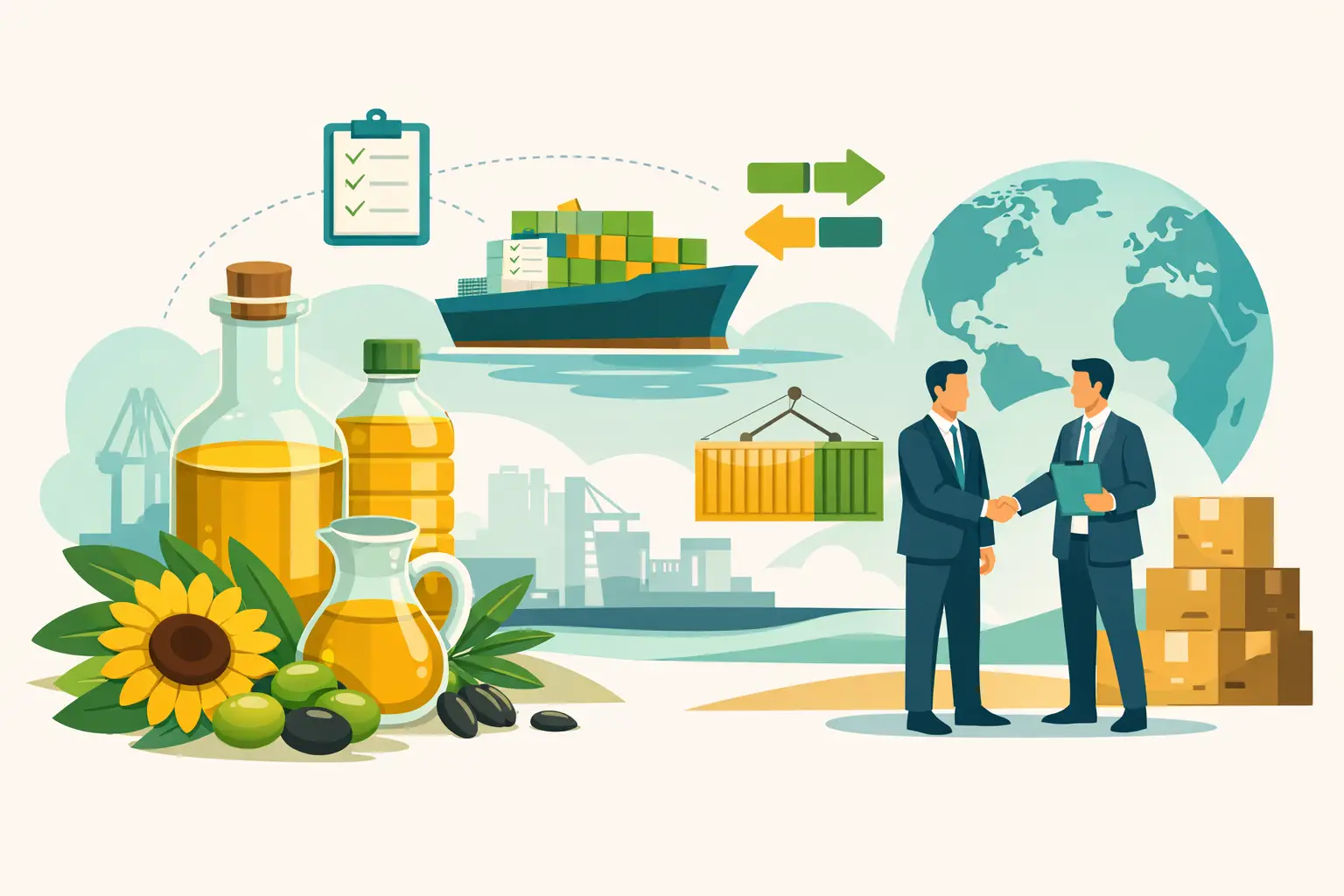
Choosing a Vegetable Oil Exporter
Choose a vegetable oil exporter with proven production, stable supply, and origin strength. What buyers should check before sourcing bulk oil.
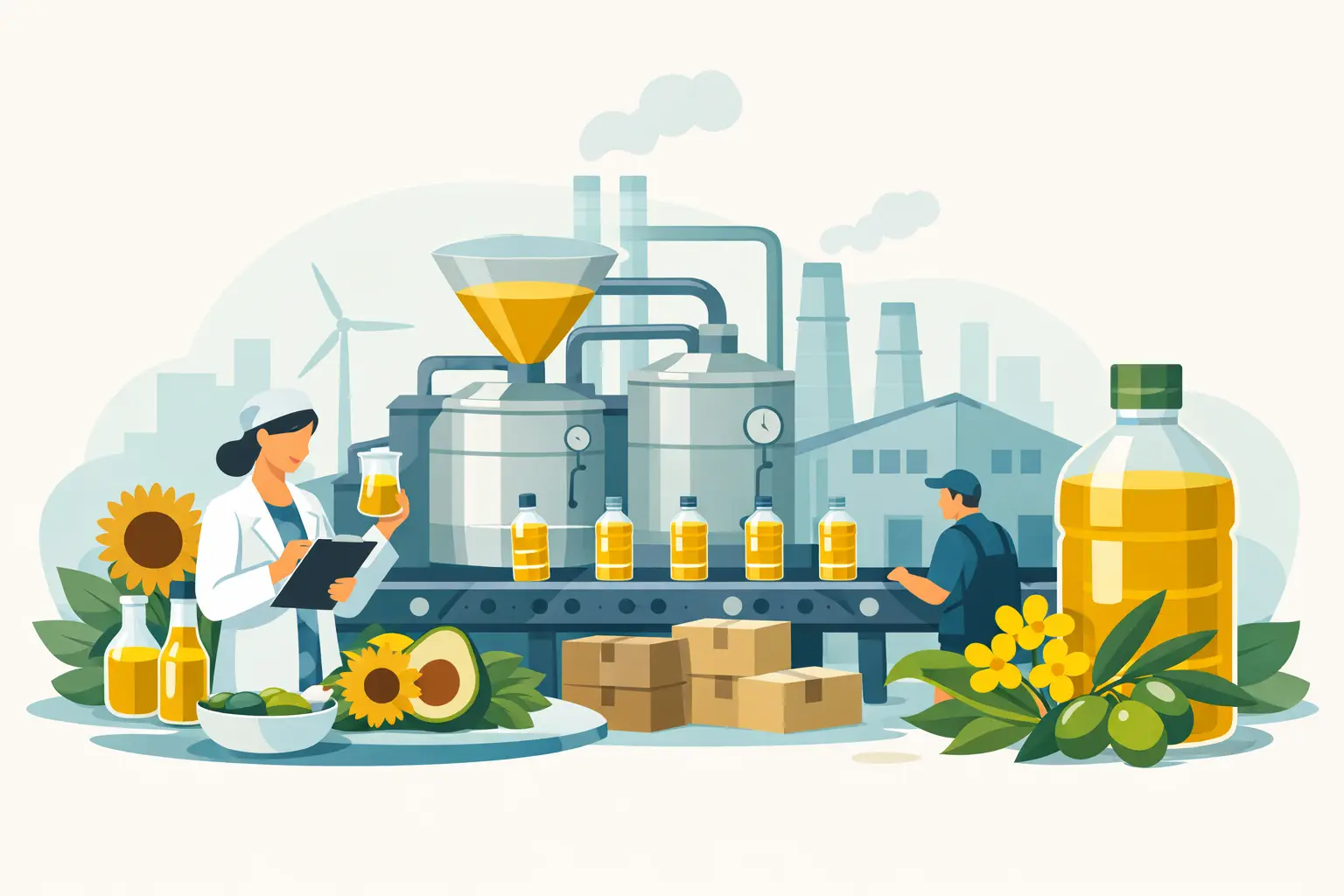
How to Start a Cooking Oil Manufacturing Business
Learn how to start a cooking oil manufacturing business, from raw material sourcing and plant setup to compliance, pricing, and sales planning.
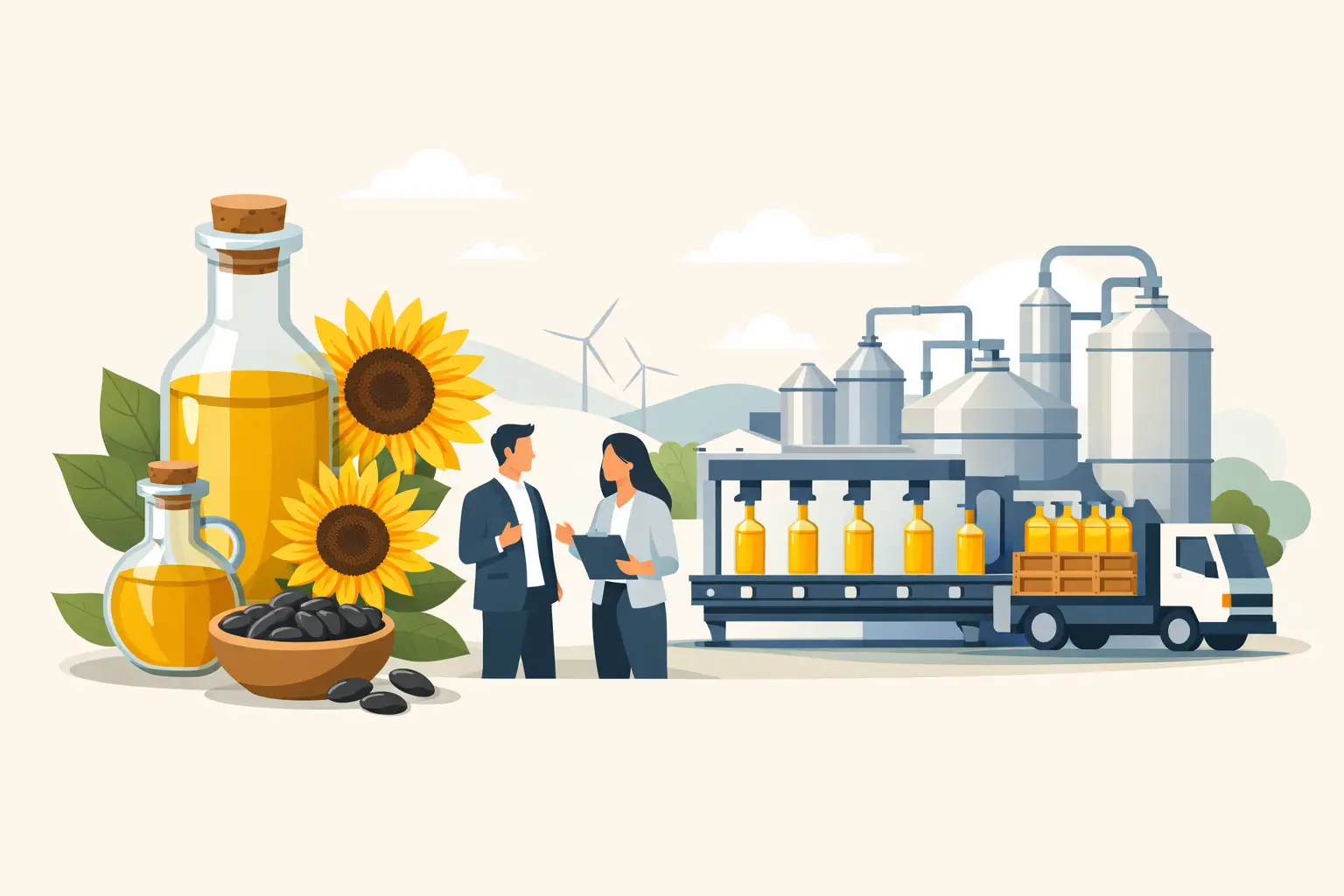
Choosing a Sunflower Oil Manufacturer
Choosing a sunflower oil manufacturer means checking origin, capacity, quality control, and supply continuity for reliable commercial sourcing.

Cooking Oil Manufacturing Plant Cost Factors
Cooking oil manufacturing plant cost depends on capacity, process, utilities, and raw materials. See what drives capex and operating costs.
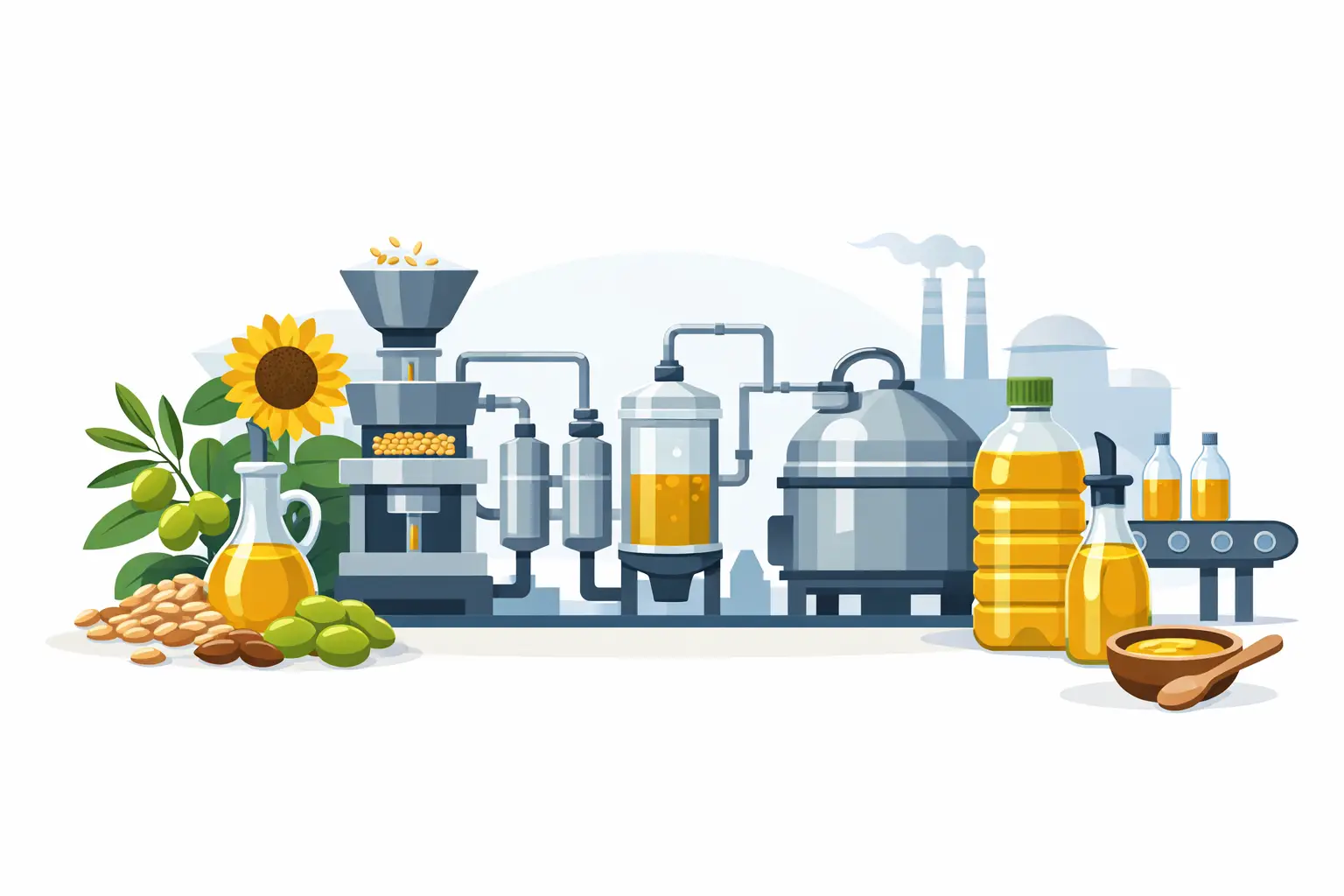
Edible Oil Manufacturing Process Explained
A clear look at the edible oil manufacturing process, from seed cleaning and pressing to refining, quality control, storage, and bulk supply.
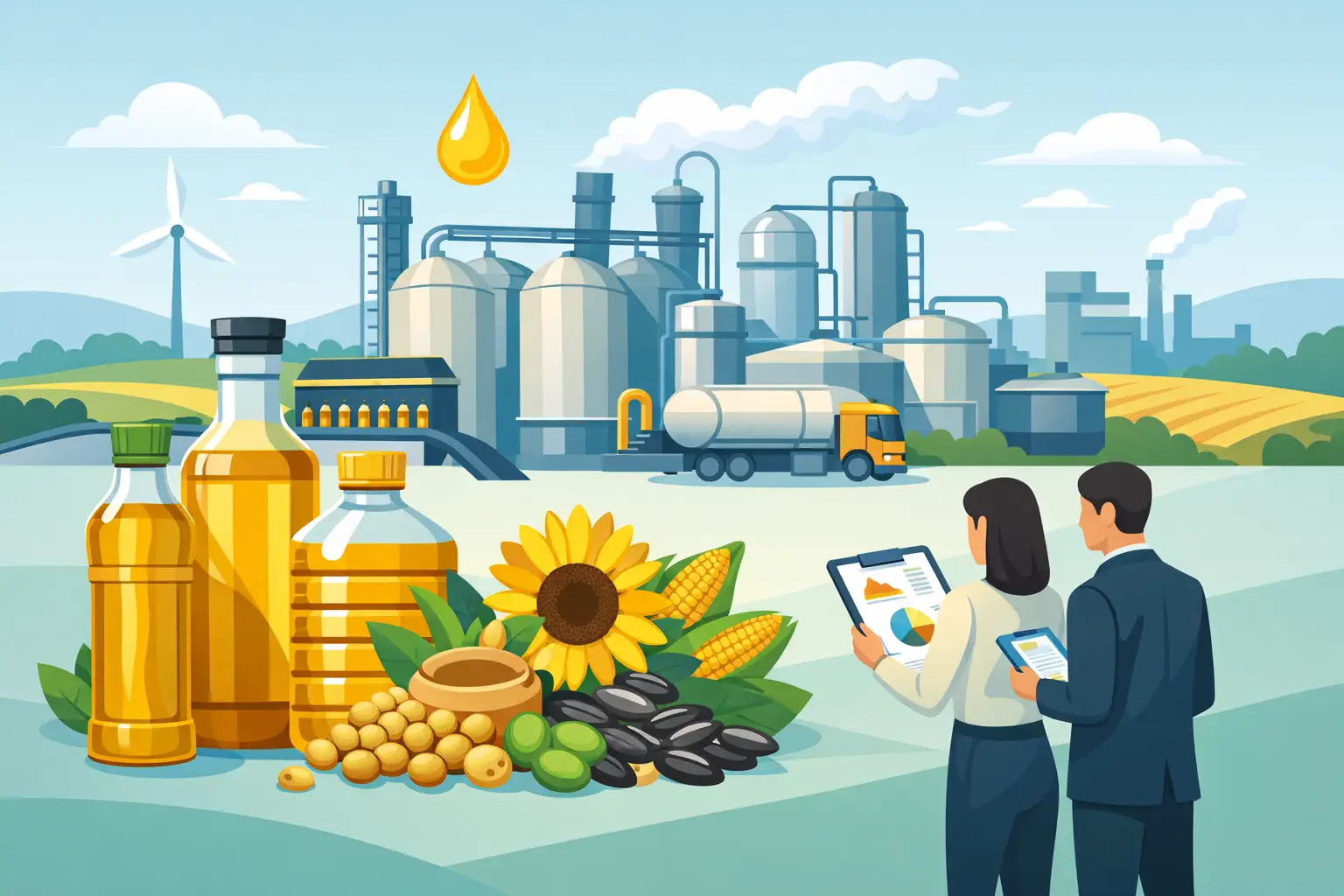
What Buyers Should Know About Vegetable Oil Manufacturers
Vegetable oil manufacturers vary in capacity, quality control, and supply stability. Learn what B2B buyers should check before choosing a supplier.
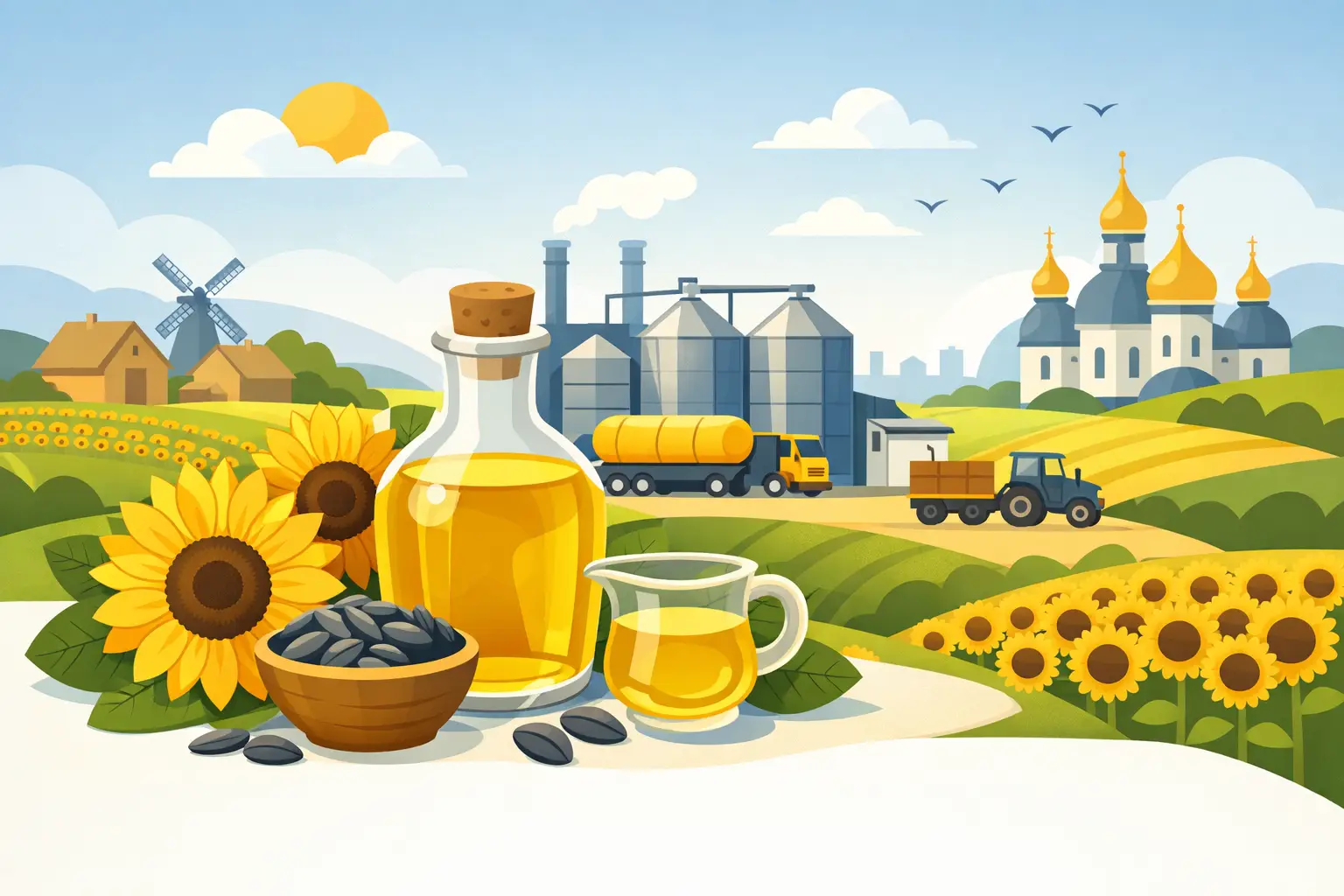
Top Sunflower Oil Manufacturers in Ukraine
A practical look at top sunflower oil manufacturers in Ukraine with export facilities, including what buyers should check before sourcing bulk supply.
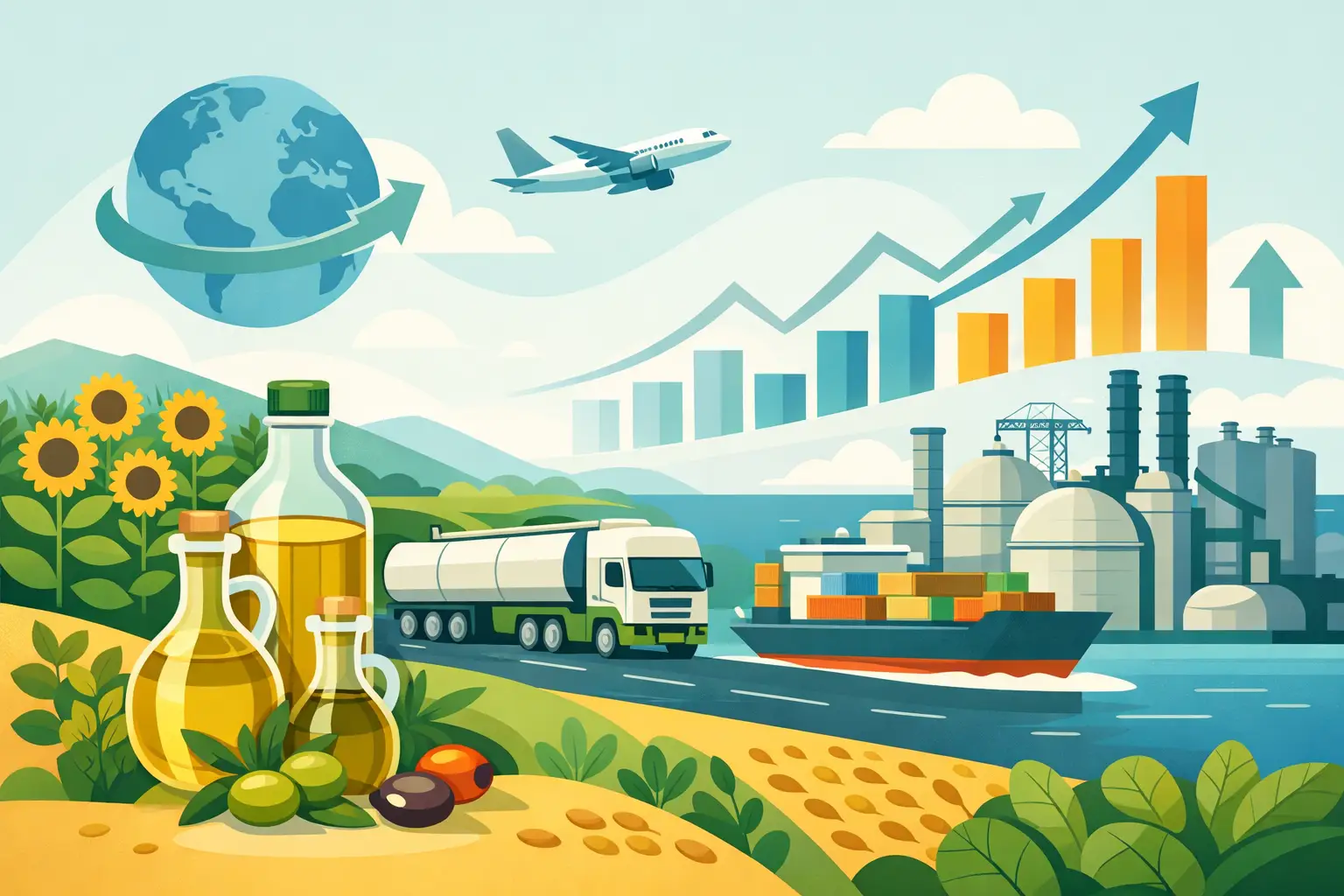
Vegetable Oil Supply Chain Trends in 2026
Vegetable oil supply chain trends in 2026 center on origin, freight, pricing, traceability, and supplier reliability for B2B buyers worldwide.
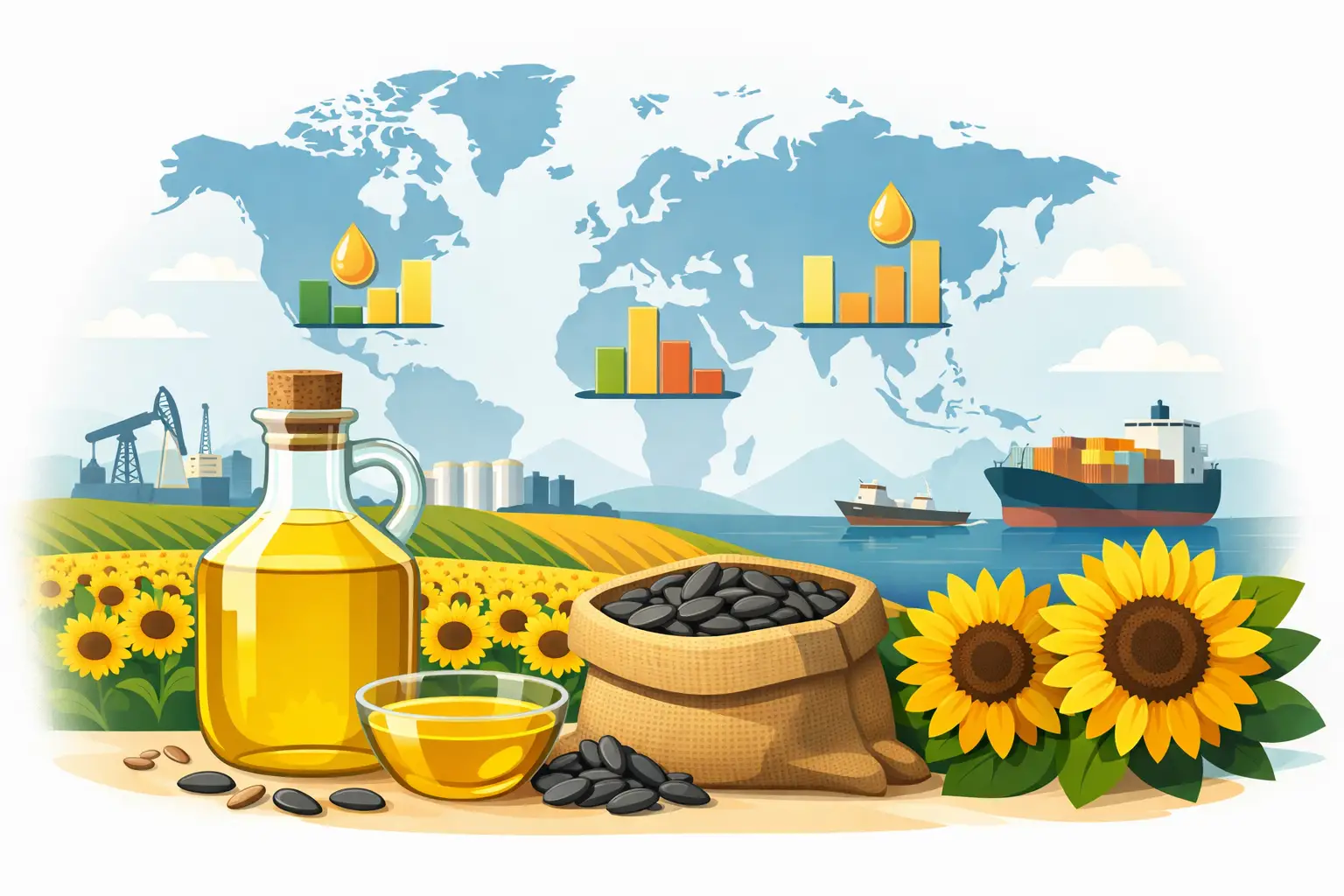
Which Country Produces the Most Sunflower Oil?
Which country produces the most sunflower oil? See how Ukraine, Russia, and other exporters shape global supply, pricing, and sourcing.
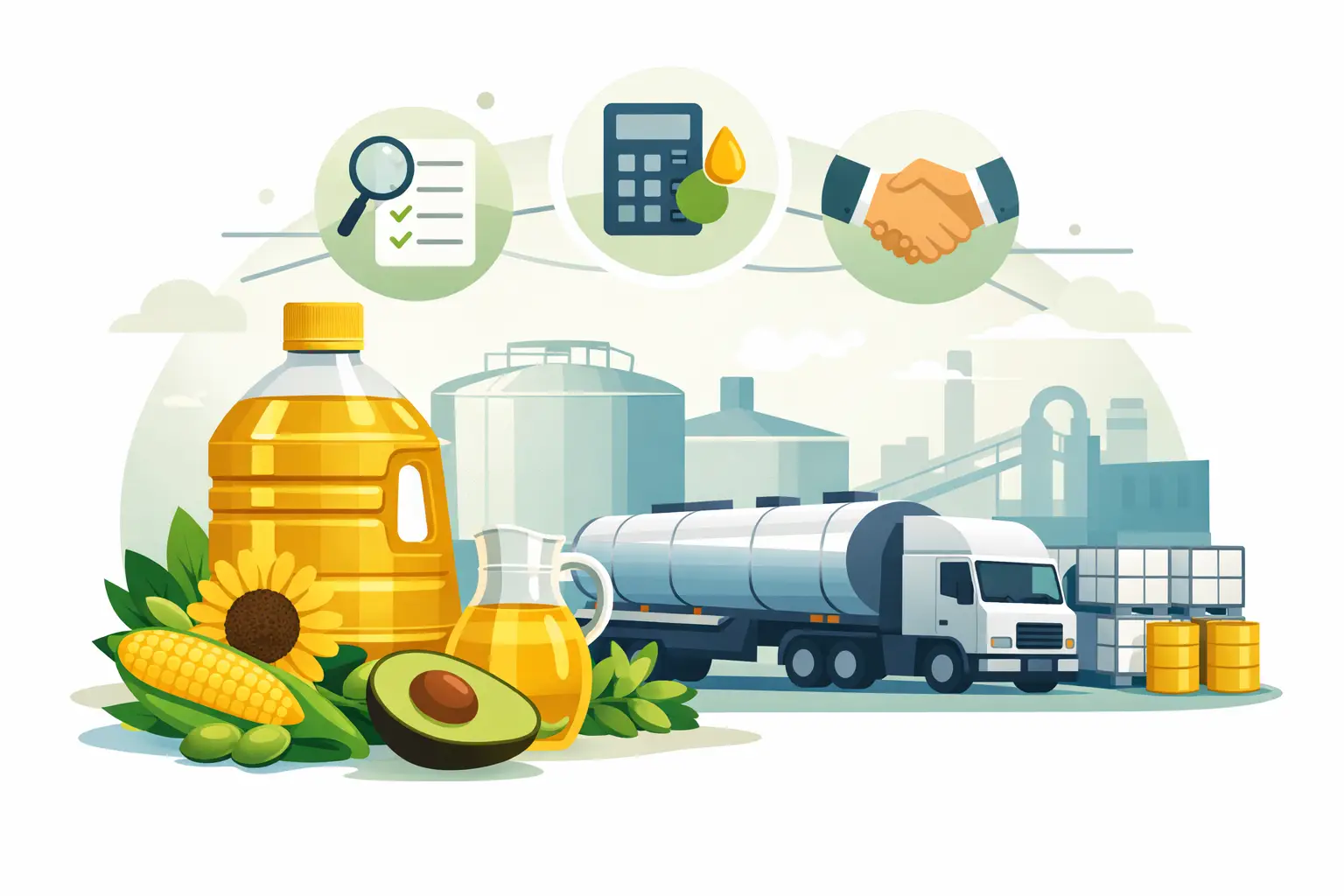
How to Buy Bulk Vegetable Oil Right
Learn how to buy bulk vegetable oil with the right specs, supplier checks, pricing terms, and logistics for reliable commercial sourcing.

Vegetable Oil Manufacturing Process Explained
A clear look at the vegetable oil manufacturing process, from seed cleaning and pressing to refining, quality control, and bulk supply.

Vegetable Oil Manufacturing Process Explained
A clear look at the vegetable oil manufacturing process, from seed cleaning and pressing to refining, quality control, storage, and bulk supply.
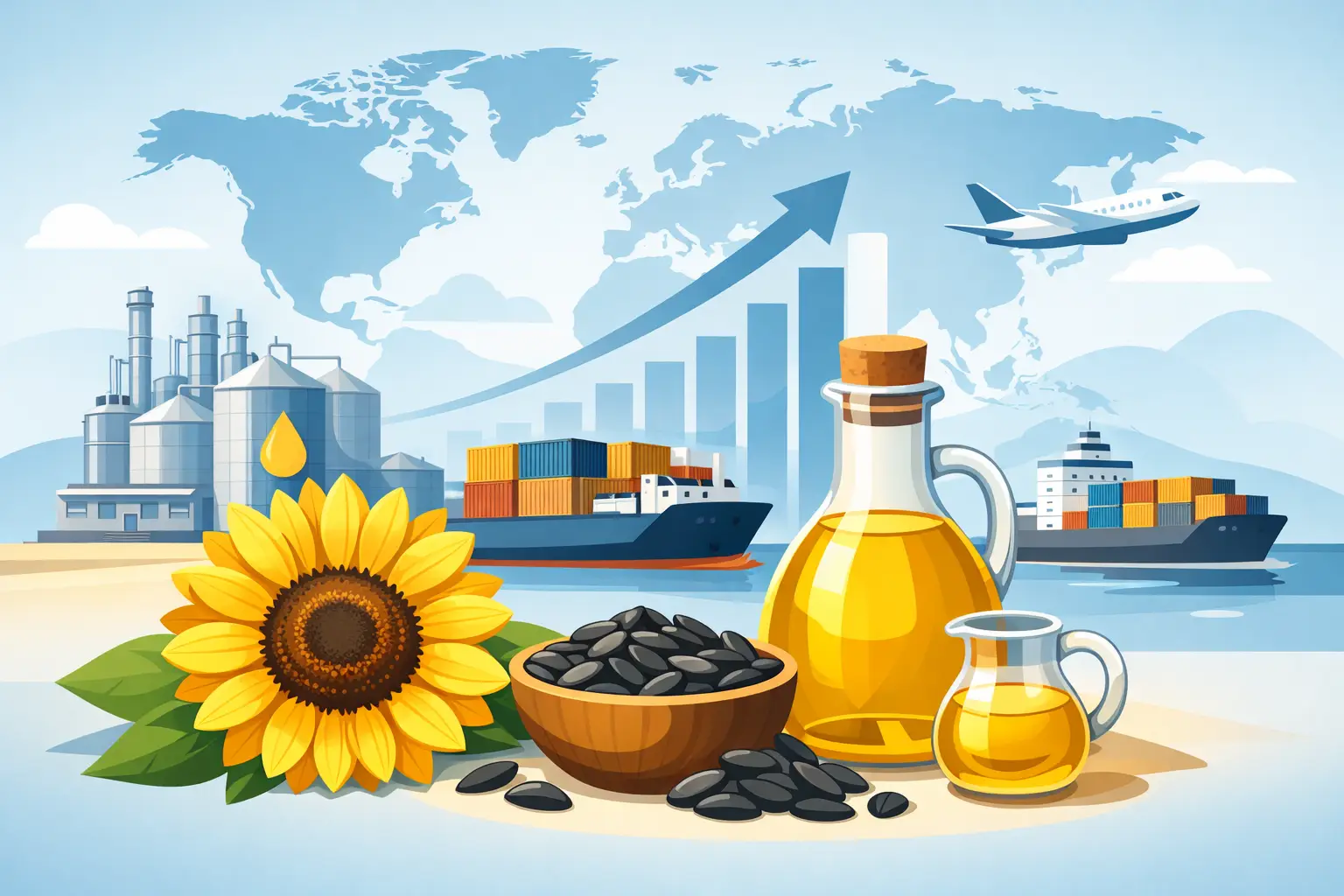
Top Sunflower Oil Producers in Global Supply
A practical look at top sunflower oil producers, key supply regions, buyer criteria, and what matters when sourcing bulk sunflower oil globally.

Sunflower Oil Production Process Explained
A clear look at the sunflower oil production process, from seed cleaning and pressing to refining, quality control, storage, and bulk supply.
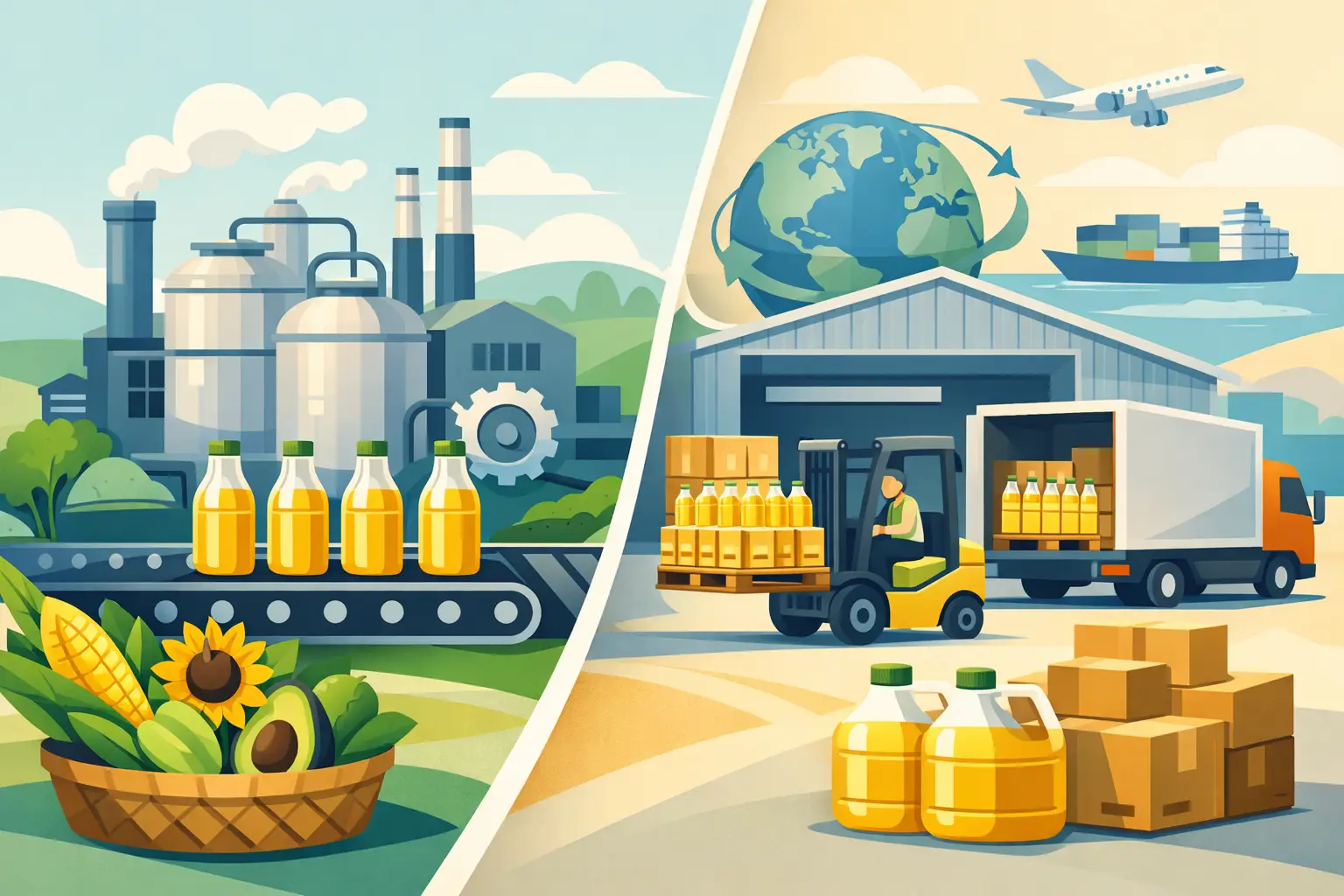
Manufacturer vs Distributor Vegetable Oil
Manufacturer vs distributor vegetable oil: learn how pricing, quality control, lead times, and risk differ for bulk edible oil buyers.
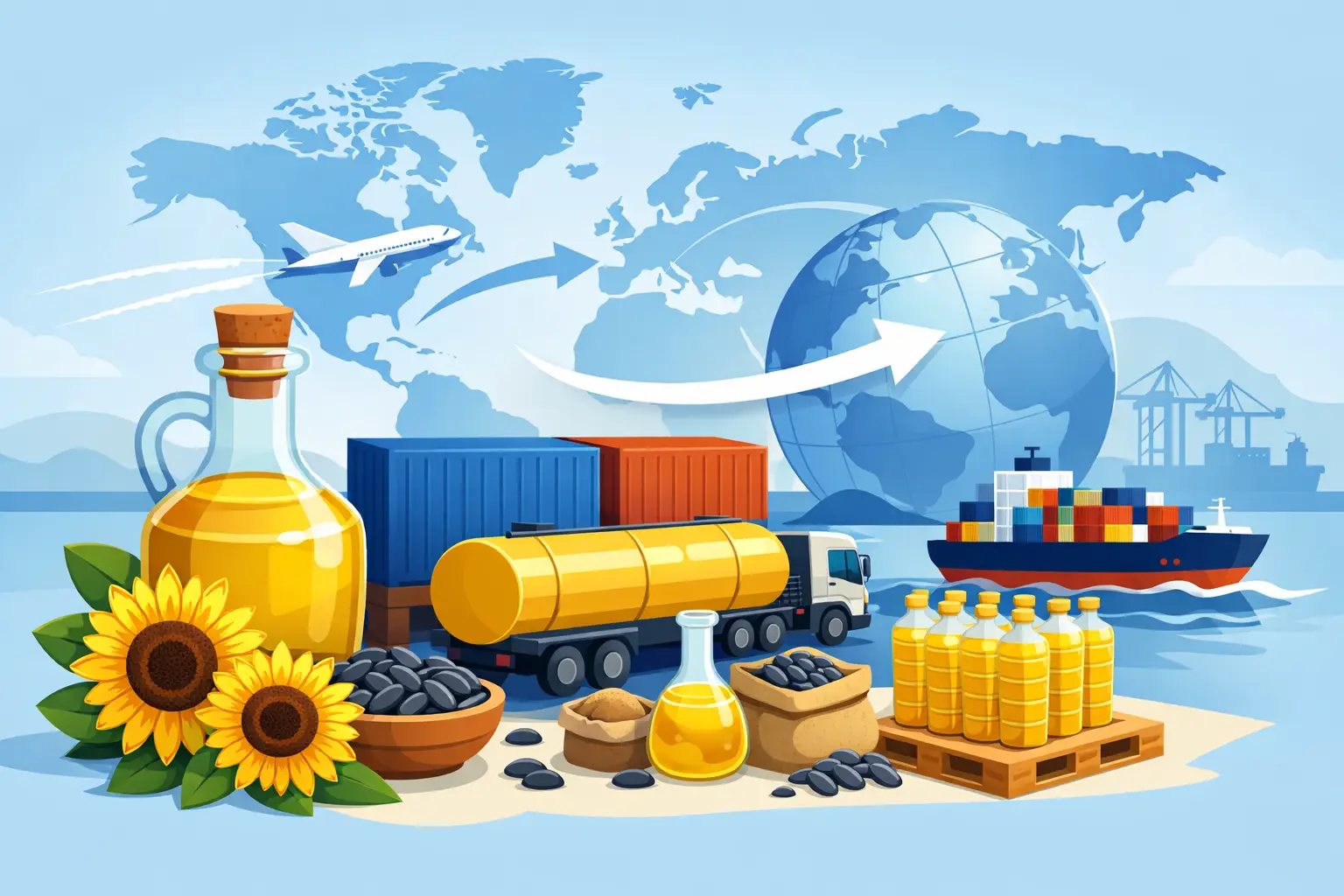
Largest Exporter of Sunflower Oil Explained
Who is the largest exporter of sunflower oil? Understand the market, Ukraine’s role, supply factors, and what buyers should assess before sourcing.
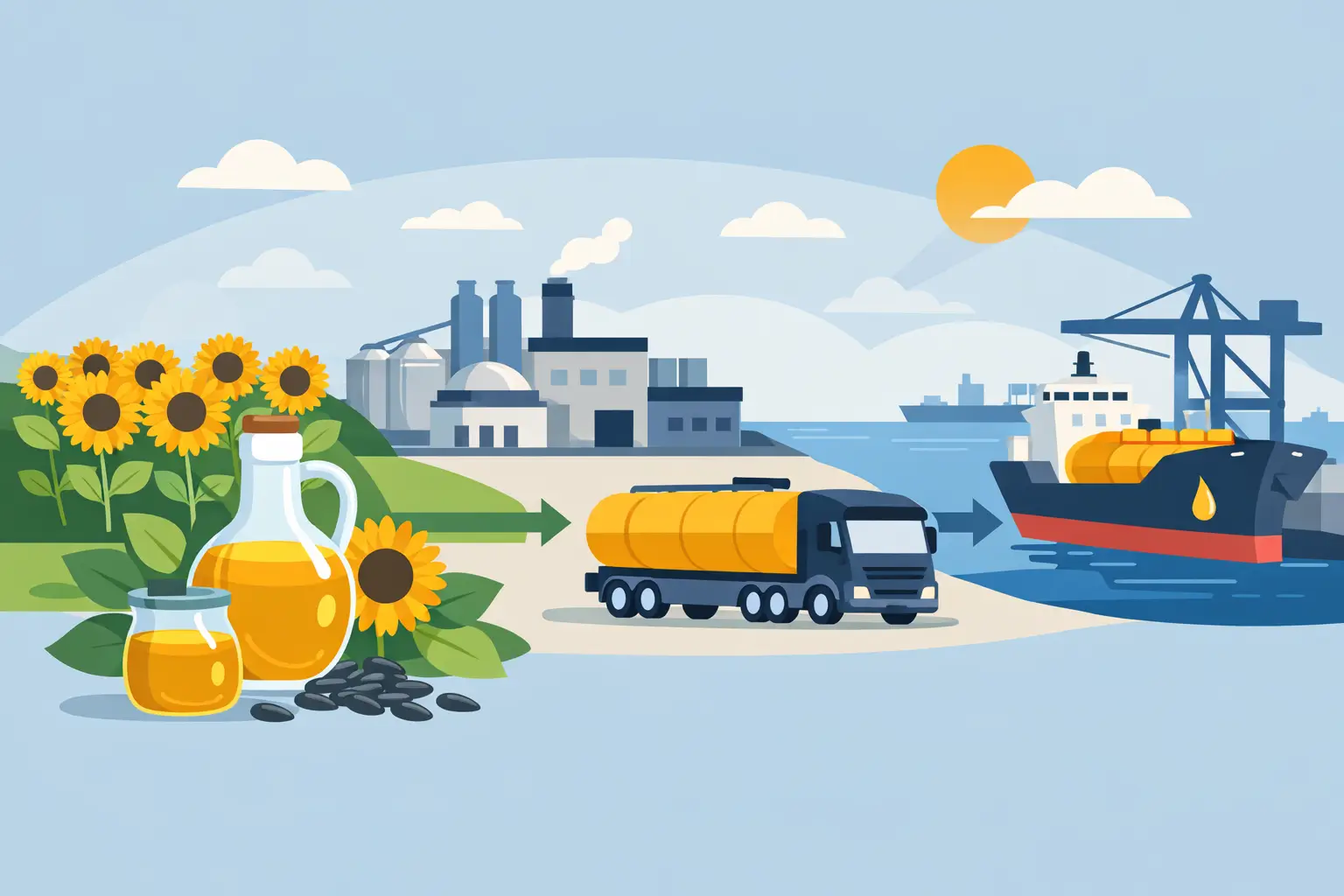
Sunflower Oil Supply Continuity Example
A sunflower oil supply continuity example for buyers evaluating sourcing risk, production depth, logistics planning, and supplier reliability.

Sunflower Oil Market Trends in 2026
Sunflower oil market trends in 2026 reflect supply shifts, pricing pressure, trade flows, and buyer priorities in global edible oil sourcing.

Ukraine vs Other Oil Origins for Buyers
Ukraine vs other oil origins matters in bulk sourcing. Compare supply, quality, pricing, and processing factors for commercial edible oil buyers.

Private Label Sunflower Oil for B2B Buyers
Private label sunflower oil for importers, distributors, and food manufacturers - what to evaluate in a producer, from capacity to quality.
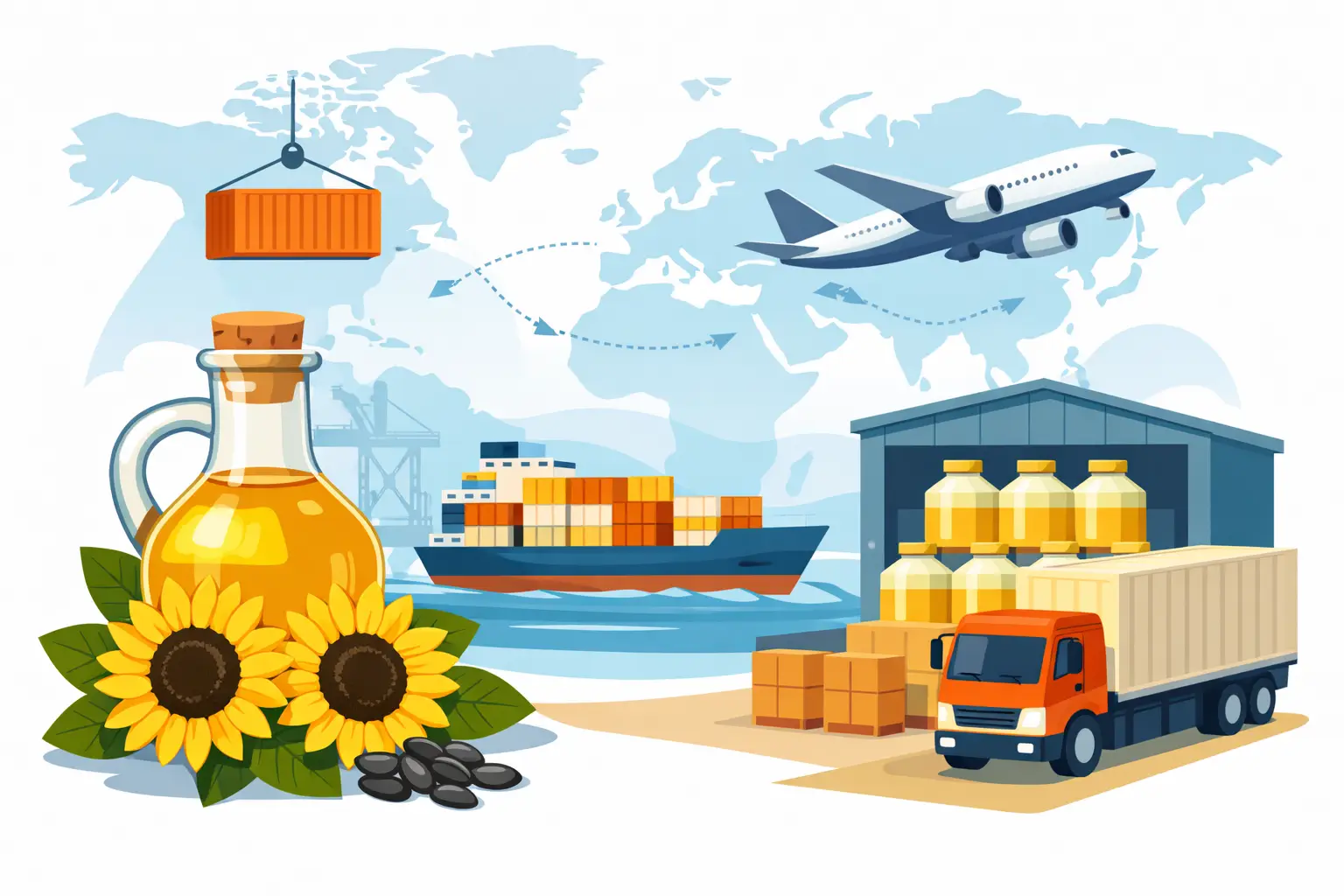
How to Import Sunflower Oil
Learn how to import sunflower oil for wholesale or food production, from supplier checks and specs to shipping, compliance, pricing, and risk control.
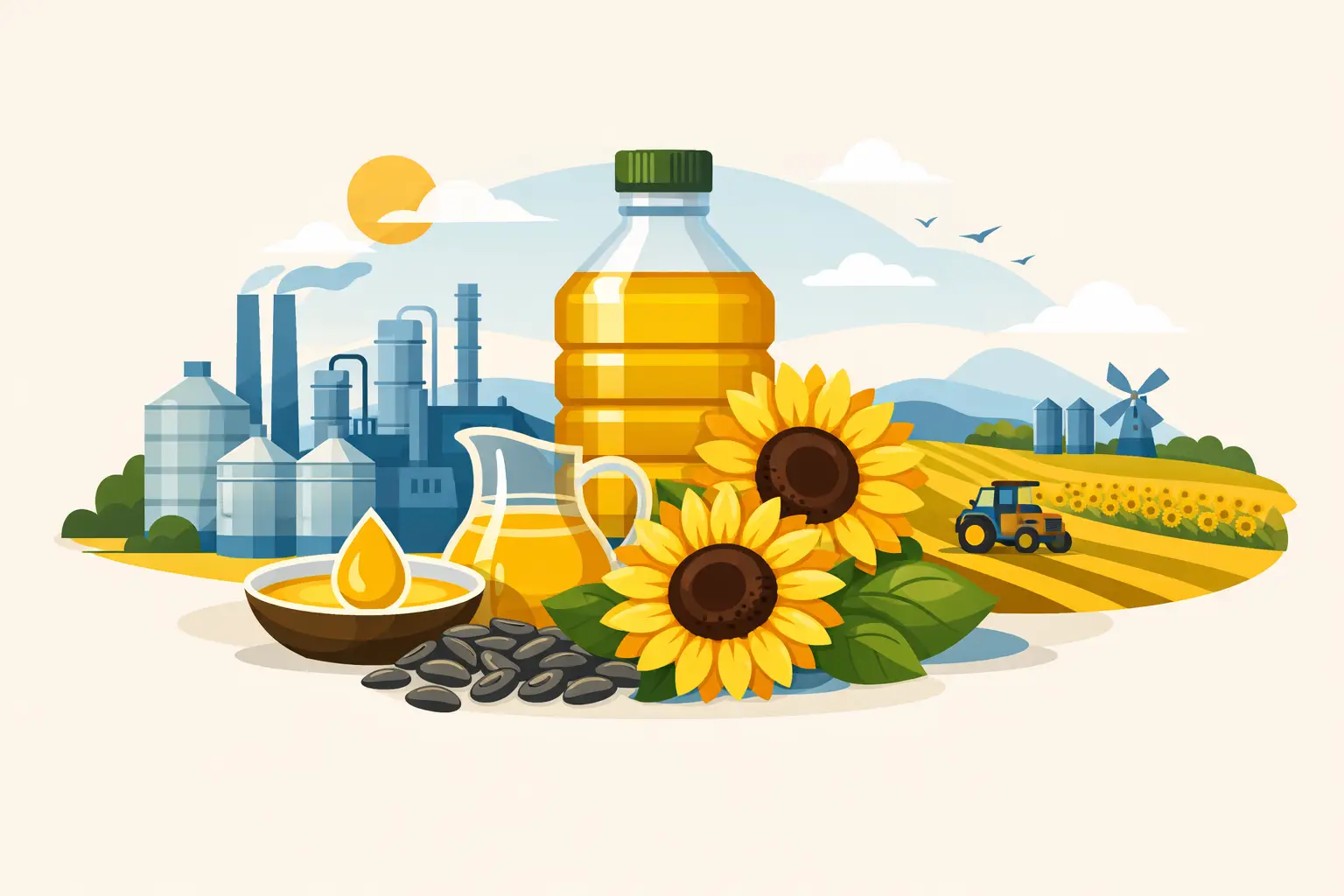
Top Sunflower Oil Manufacturers in Ukraine
Review top sunflower oil manufacturers in Ukraine with export facilities, key supplier criteria, and what international buyers should verify.
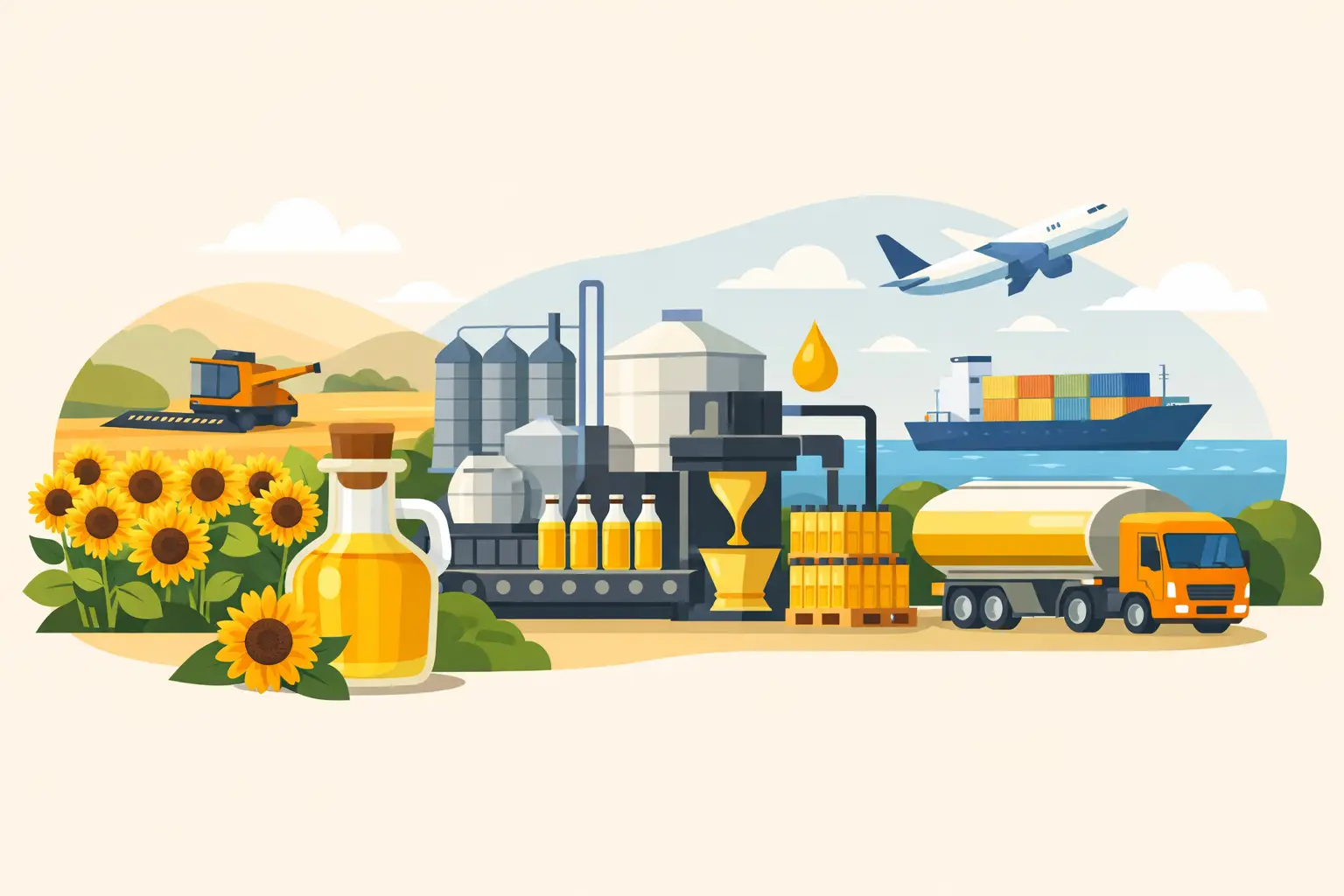
From Production to Delivery: Sunflower Oil Logistics
From production to delivery, supply chain logistics for sunflower oil shape quality, lead times, and cost for importers, wholesalers, buyers.
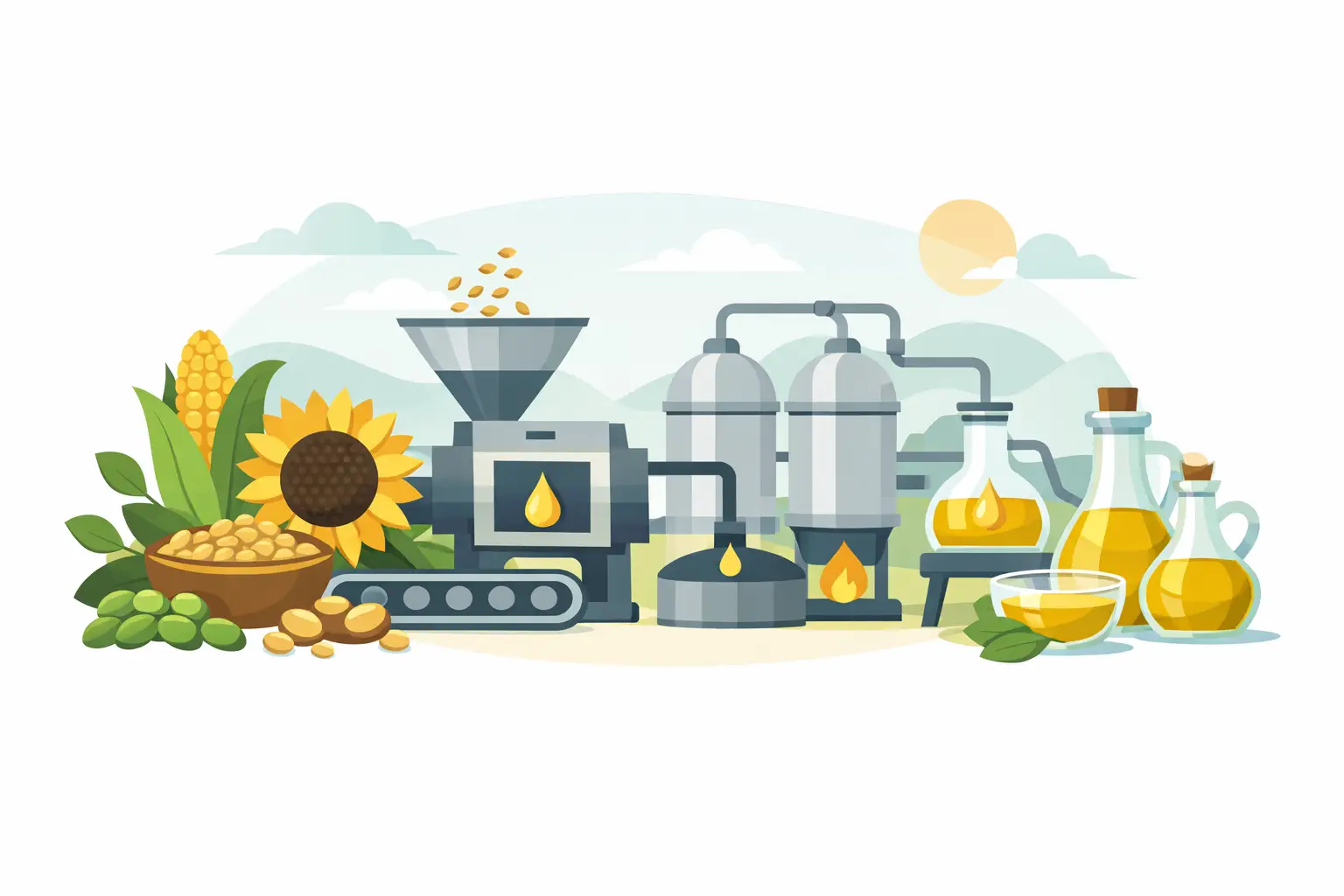
How Are Vegetable Oils Made?
How are vegetable oils made? Learn the key industrial steps from seed cleaning and pressing to refining, quality control, and bulk supply.
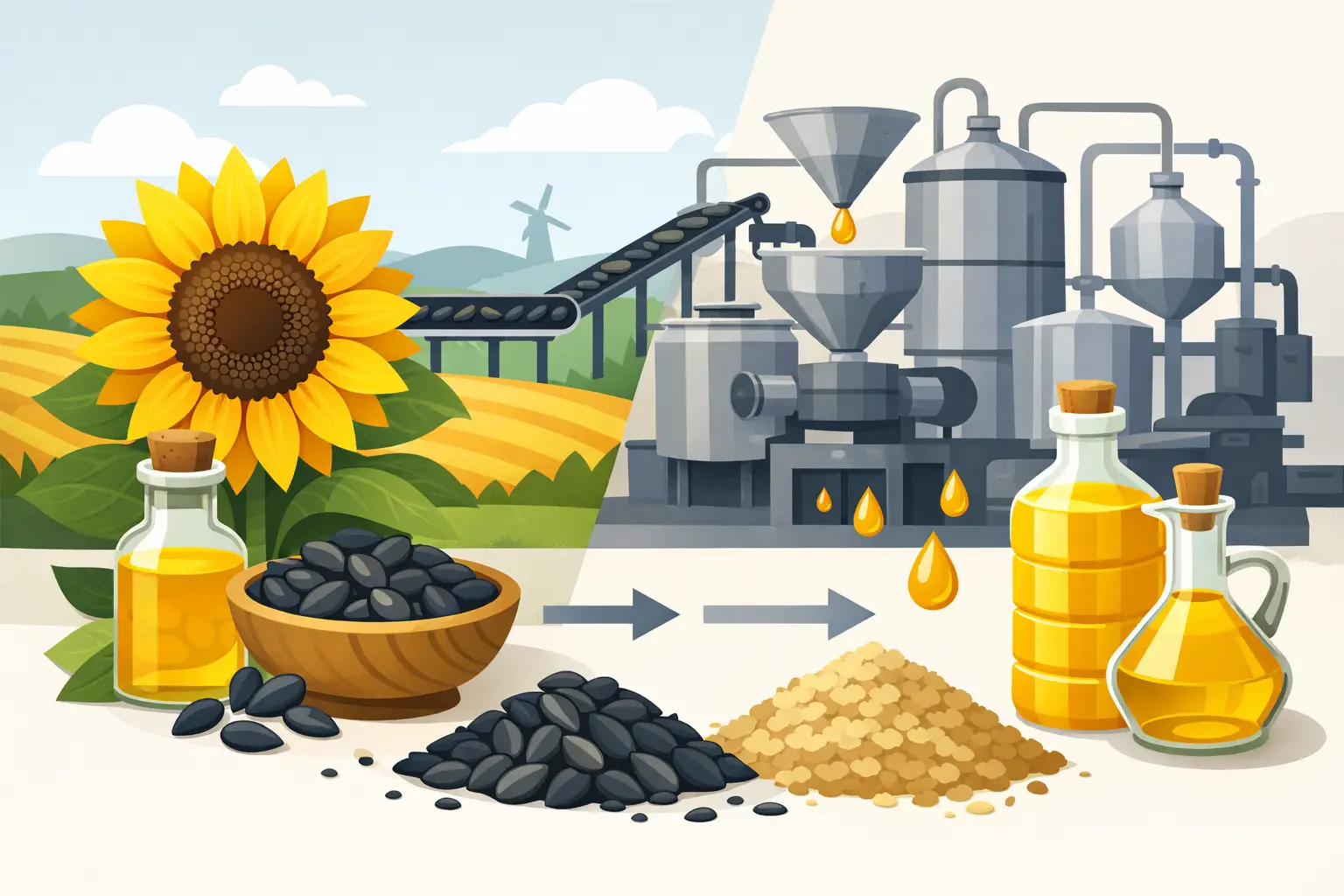
Is Sunflower Oil Highly Processed?
Is sunflower oil highly processed? Learn how refining works, what changes during production, and how to assess oil quality for food use.
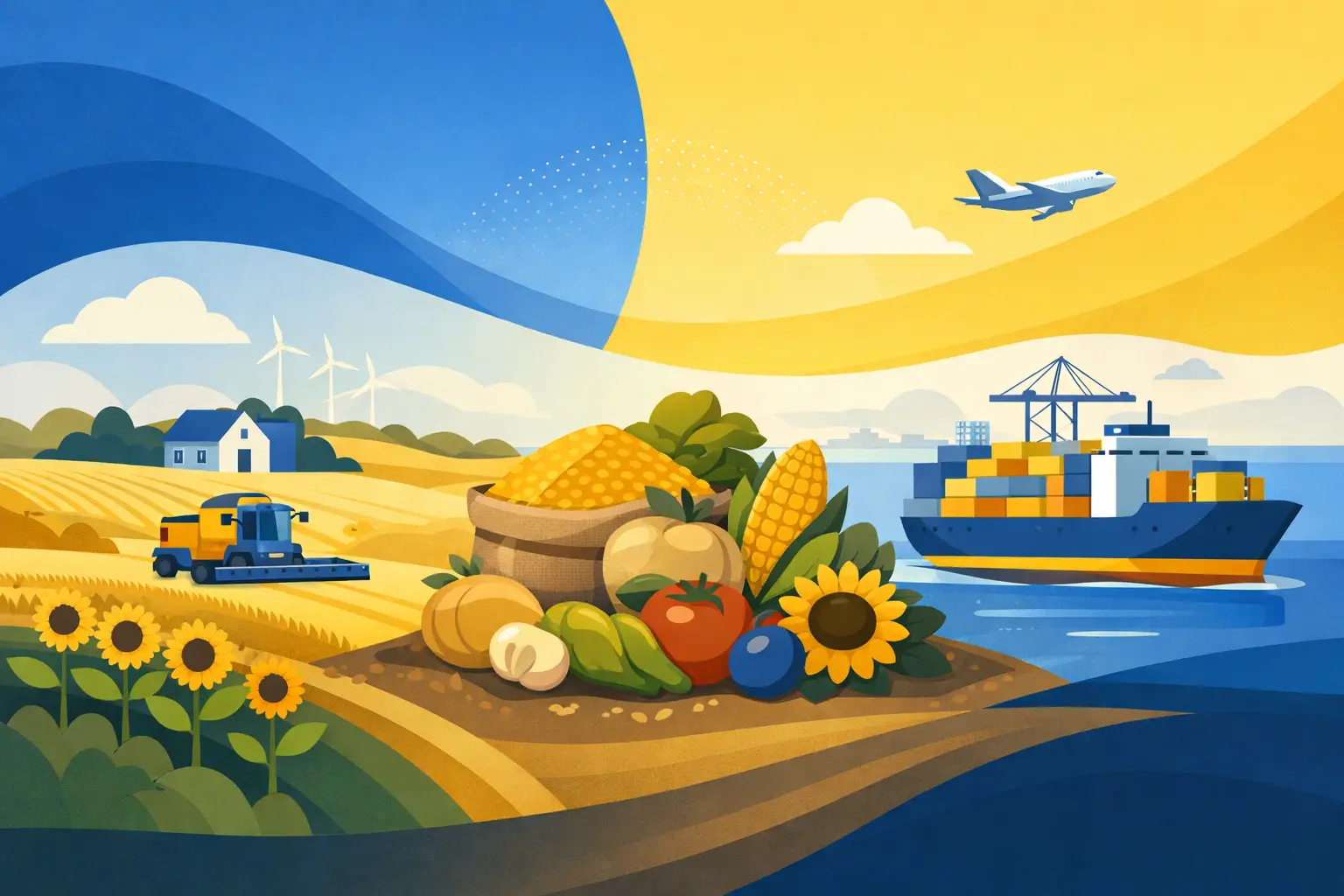
Ukrainian Agricultural Exports in Context
A clear look at ukrainian agricultural exports, market pressure, logistics, and what international buyers should assess when sourcing oils.
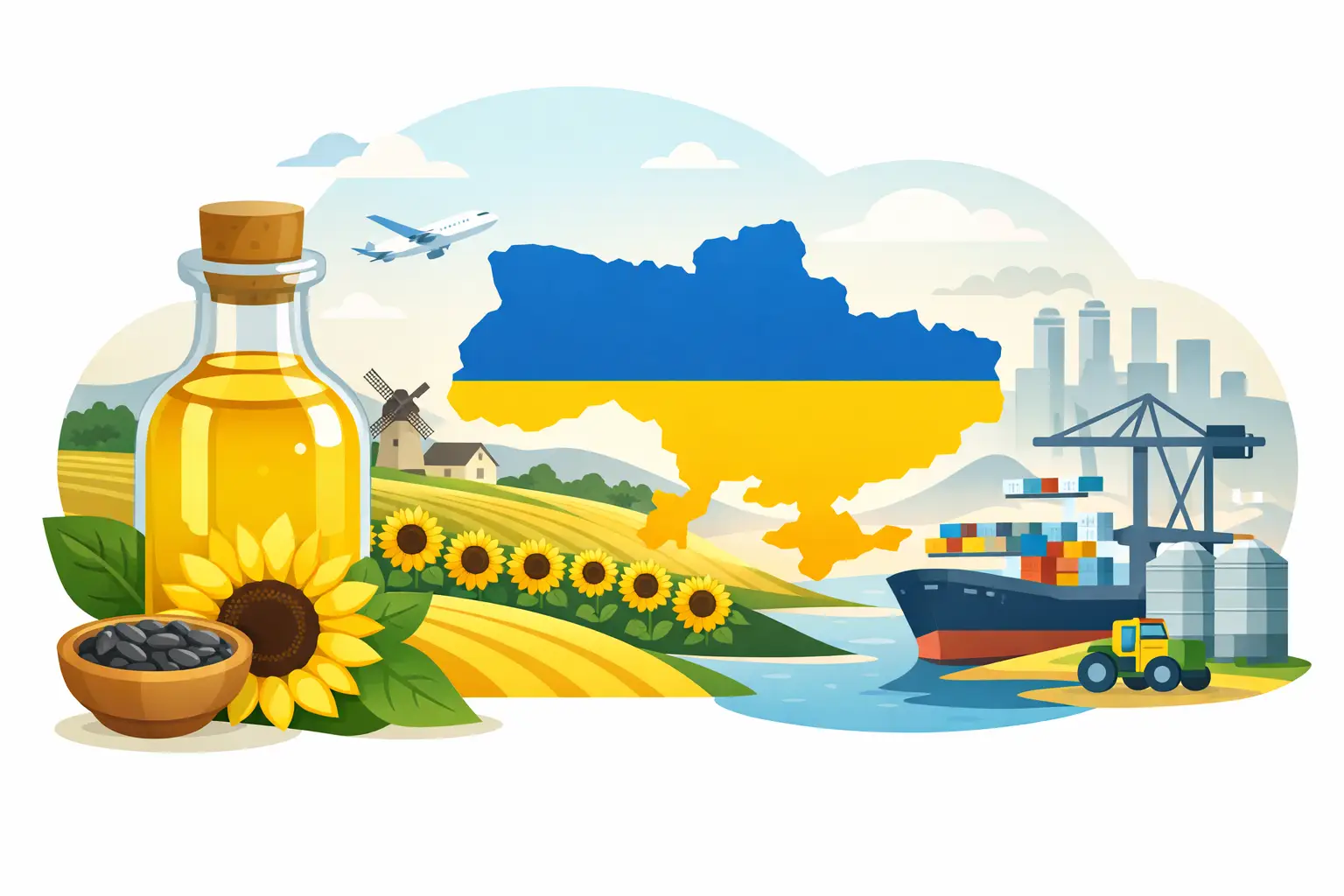
Sunflower Oil Origin Ukraine Explained
Sunflower oil origin Ukraine matters to buyers because it signals crop depth, processing scale, export capability, and experienced supply.

Sunflower Oil Procurement Guide for Buyers
Sunflower oil procurement guide for importers, wholesalers, and food manufacturers seeking reliable supply, quality control, pricing, and contract clarity.
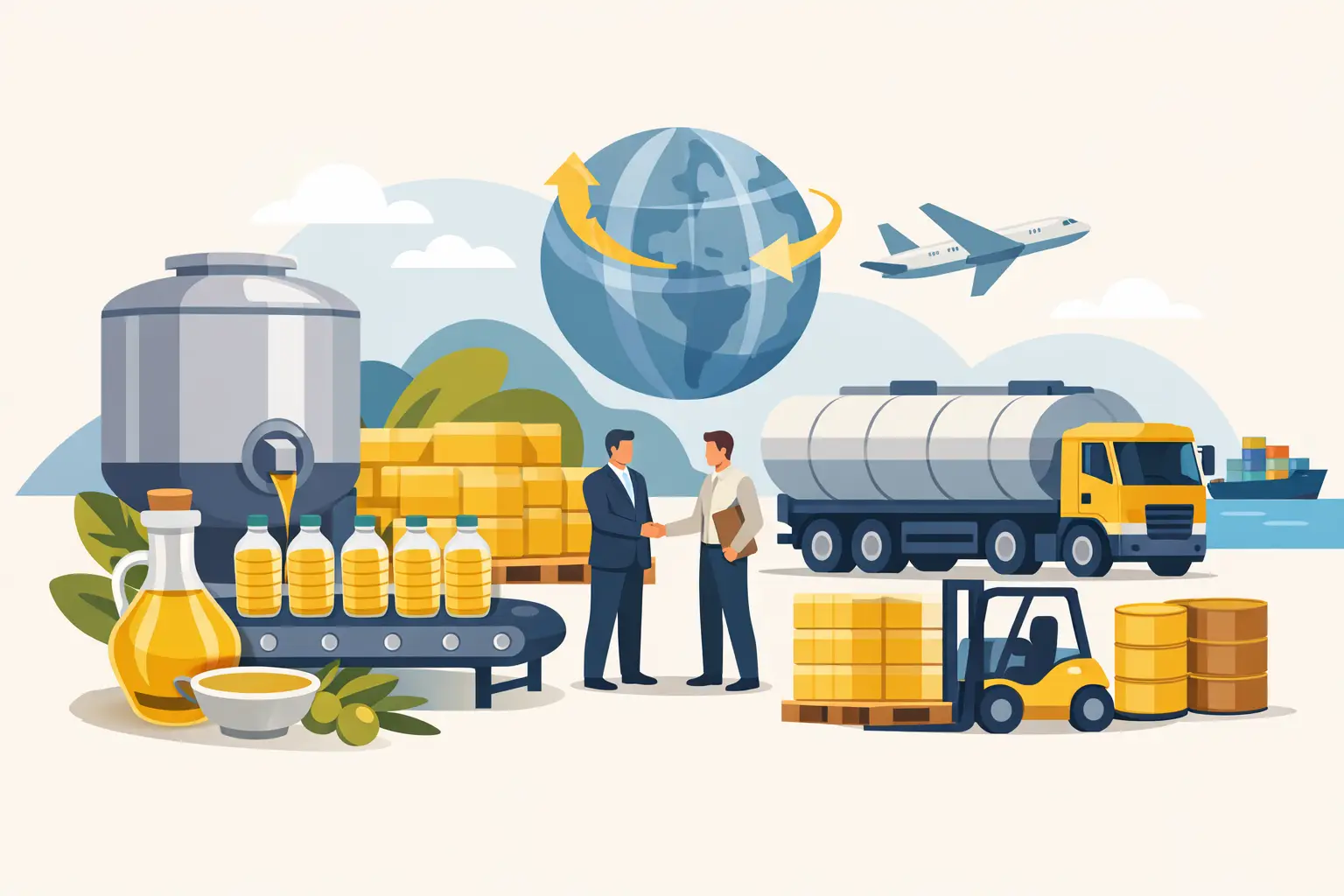
Best Bulk Cooking Oil Suppliers for Buyers
How to evaluate the best bulk cooking oil suppliers for price, capacity, consistency, documents, and long-term supply reliability.
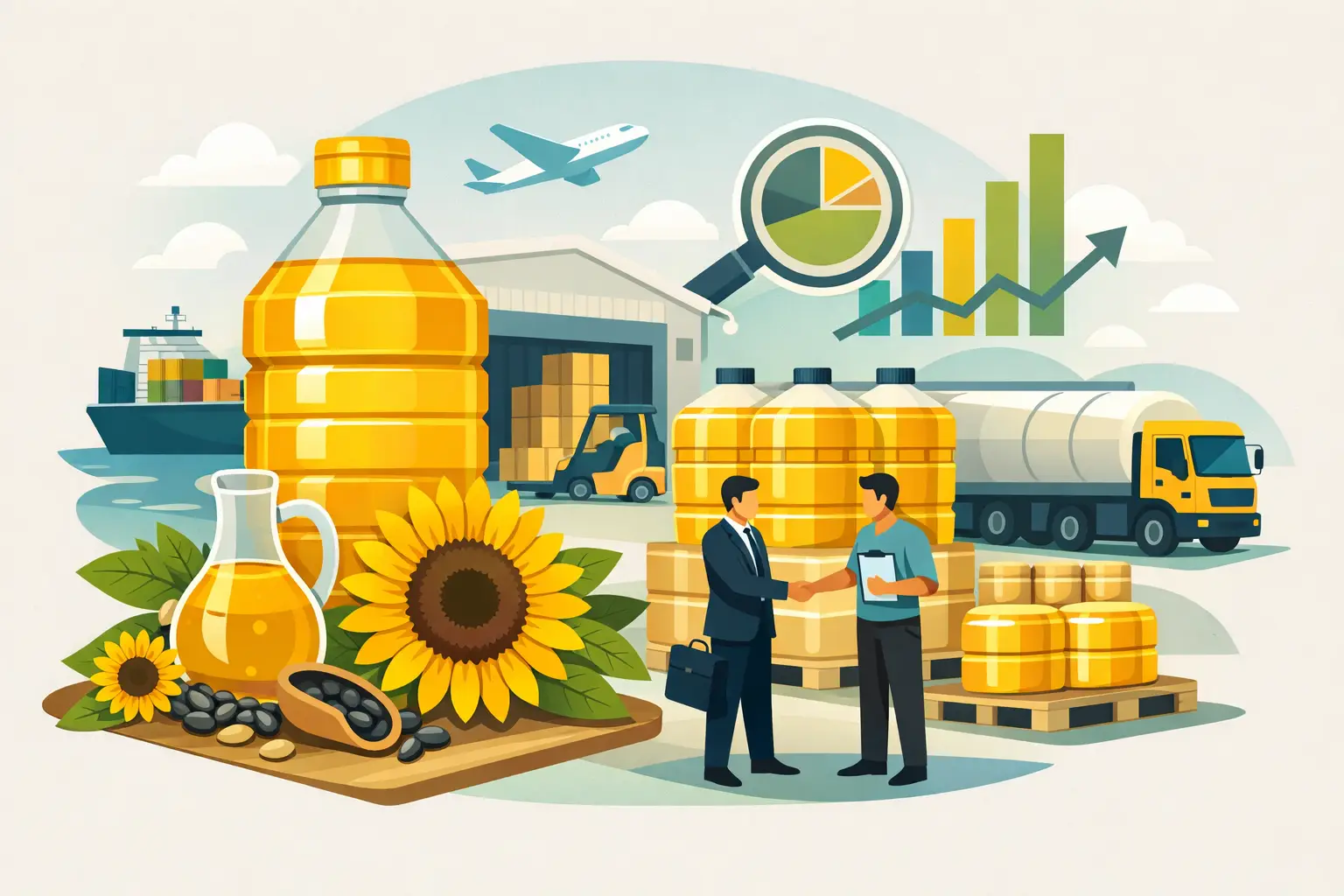
Refined Sunflower Oil Wholesale for Buyers
Refined sunflower oil wholesale for importers, distributors, and food manufacturers seeking consistent quality, supply continuity, and pricing.